Huge fall in Gyr Falcon population in Iceland
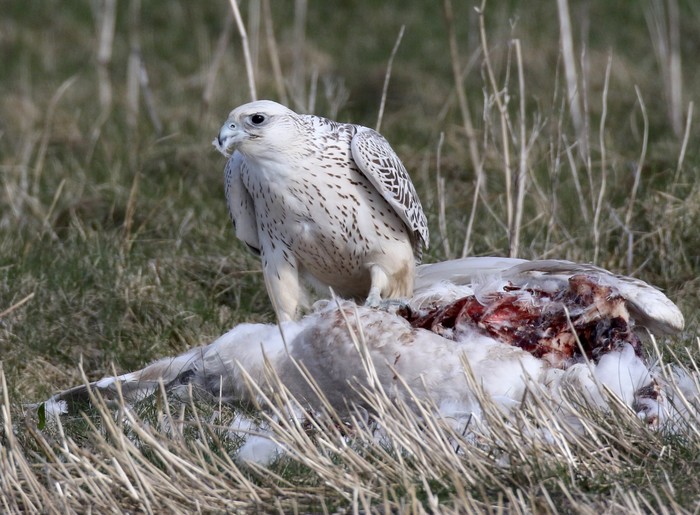
Gyr Falcons feeding on infected carcasses are dying in growing numbers, according to researchers monitoring breeding territories across the island.
Small remaining population raises alarm among scientists
Once numbering around 2 000 individuals, the population is now estimated to have dwindled to roughly 500 birds, according to ornithologist Ólafur Karl Nielsen. He described the situation as “very serious”.
The mechanism behind the decline
The culprit: continuing waves of highly pathogenic avian influenza sweeping through seabird populations on Iceland’s north-coast regions. Falcons like the Gyr Falcon are being affected directly when they scavenge carcasses of seabirds that have died of the disease. One sample falcon found dead in September in the Strandir region tested positive for avian flu. The virus is not letting up and is changing between outbreaks, leaving the falcons with little chance of recovery.
Why the Gyr Falcon is particularly vulnerable
Several factors make the Gyr Falcon more exposed:
- It is an opportunistic feeder – it hunts live prey but also scavenges bird carcasses, increasing its exposure to infected material.
- The recent outbreaks among seabird colonies have been large and repeated, meaning there is a constant source of risk.
- Because the population is now so small, each juvenile lost or adult killed represents a significant hit to the species’ viability.
What the numbers tell us
According to Nielsen, the breeding territories monitored for decades show that the population has collapsed. The estimate of ~500 individuals reflects known territory data plus heavy juvenile mortality. With such a sharp decline, the species in Iceland is at a serious turning point.
Calls for intervention
Nielsen warns that with the population so diminished, “every surviving bird has become incredibly precious”. He even points to recovery programmes elsewhere in the world—for example, programmes to save the California Condor from near-extinction—as models of what may be required for the gyrfalcon. “We can’t just sit on the sidelines,” he said. If nothing is done, the Gyr Falconcould face extinction in Iceland, joining the ranks of lost species such as the Great Auk.
Why this matters beyond Iceland
The Gyr Falconis the world’s largest falcon and an iconic bird of the northern Arctic and sub-Arctic regions. Its decline in Iceland signals broader ecosystem stress—particularly in marine and seabird systems where avian influenza is becoming a recurring threat. What happens in Iceland may act as a warning for other high-latitude regions facing similar disease pressures.
The outlook
The situation is urgent. With only hundreds of birds remaining and no clear pause in the disease outbreaks, the Gyr Falconin Iceland is at risk of slipping into a decline from which recovery would be much harder. Conservation authorities and researchers may need to act quickly if the species is to avoid permanent loss.
November 2025
Get Breaking Birdnews First
Get all the latest breaking bird news as it happens, download BirdAlertPRO for a 30-day free trial. No payment details required and get exclusive first-time subscriber offers.
Share this story