How good are our public parks for wildlife?
BTO research is exploring how birds use urban greenspaces and what these everyday habitats mean for wildlife in Britain’s towns and cities
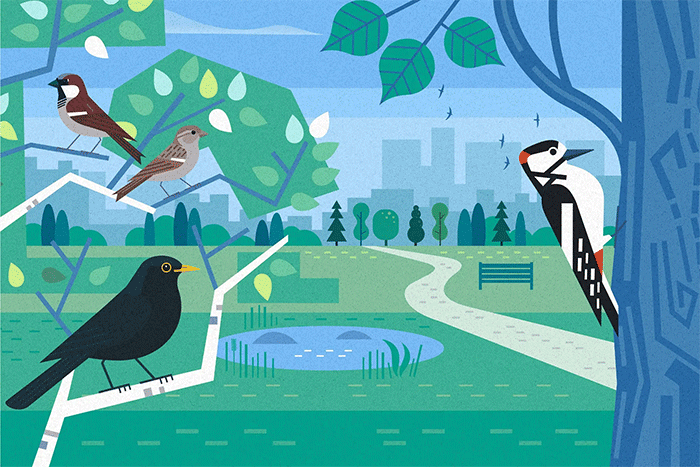
Nature in the middle of our towns
Public parks and open greenspaces are among the most familiar landscapes in Britain. For millions of people they provide somewhere to walk, exercise, socialise or simply escape the pressures of everyday life. But for wildlife - especially birds - these spaces may also act as important refuges within heavily built-up environments.
New work highlighted by the British Trust for Ornithology (BTO) is exploring exactly how valuable these urban greenspaces are for wildlife. The aim is to understand the role that parks, playing fields, cemeteries and other public open spaces play in supporting birds across the UK.
Pockets of habitat in built landscapes
In towns and cities, areas of green space can provide food, shelter and nesting opportunities that may otherwise be scarce. Mature trees, hedges, ponds and rough grass can all help create small but significant habitats.
For some species these areas act as stepping stones through the urban landscape, linking larger habitats together. For others they may provide the only available places to breed or feed within densely developed neighbourhoods.
Birds in Greenspaces project
To better understand this relationship, the BTO has launched its Birds in Greenspaces initiative - a UK-wide citizen science project that focuses specifically on birds using publicly accessible green areas.
The project encourages volunteers to survey a wide range of locations, including:
- Public parks and gardens
- Playing fields
- Cemeteries and churchyards
- Other public open spaces in towns and cities
By collecting observations from many different sites, researchers hope to build a clearer picture of how birds use these environments and which types of greenspace are most valuable.
Helping shape wildlife-friendly parks
The results could have important implications for how urban parks are managed. Small changes - such as leaving areas of rough grass, planting native trees or managing ponds for wildlife - can significantly increase the value of greenspaces for birds and other species.
Understanding which features matter most will help planners and park managers design spaces that benefit both people and wildlife.
Connecting people with nature
Urban greenspaces also play another crucial role - they allow people to encounter wildlife close to home. For many residents, local parks are the most accessible places to watch birds and experience nature.
As towns and cities continue to grow, the importance of these shared spaces is likely to increase. Research such as the BTO’s Birds in Greenspaces project is helping reveal just how significant our everyday parks may be for wildlife living alongside us.
March 2026
Get Breaking Birdnews First
Get all the latest breaking bird news as it happens, download BirdAlertPRO for a 30-day free trial. No payment details required and get exclusive first-time subscriber offers.
Share this story