


Harrier chicks saved from combine harvesters in Germany
Twenty-two young Marsh and Montagu’s Harriers have been protected after nests were found in cereal fields during the barley harvest north of Cologne.
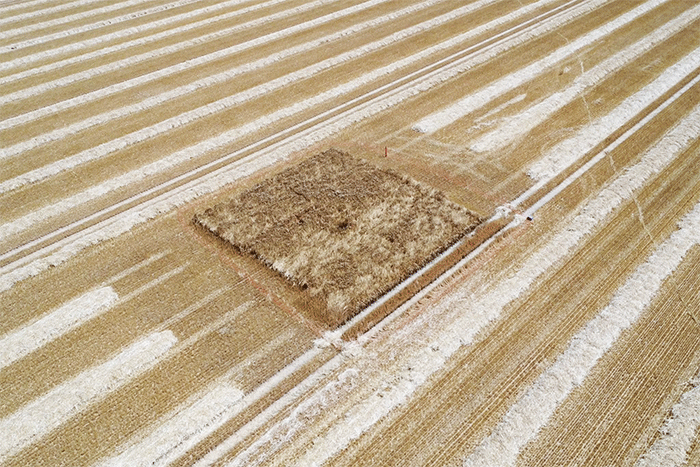
Harvest puts nesting harriers at risk
Twenty-two harrier chicks have been saved from combine harvesters after conservationists located nests in cereal fields during the barley harvest in western Germany.
The Committee Against Bird Slaughter (CABS) said its harrier protection project had entered its most intense phase as harvesting began across the Zülpich Börde, a large agricultural plain north of Cologne. With temperatures reaching up to 40°C, combine harvesters were expected to continue working through the weekend.
So far, 16 nests of Western Marsh Harrier and Montagu’s Harrier have been found in cereal fields, around half of them in barley. Both species often nest on the ground in farmland, where crops can provide attractive cover in spring but become dangerous once harvesting begins.
Protection zones left around nests
The nests are being marked in cooperation with farmers, who leave a 20 × 20 metre protection zone uncut around each nest during harvesting.
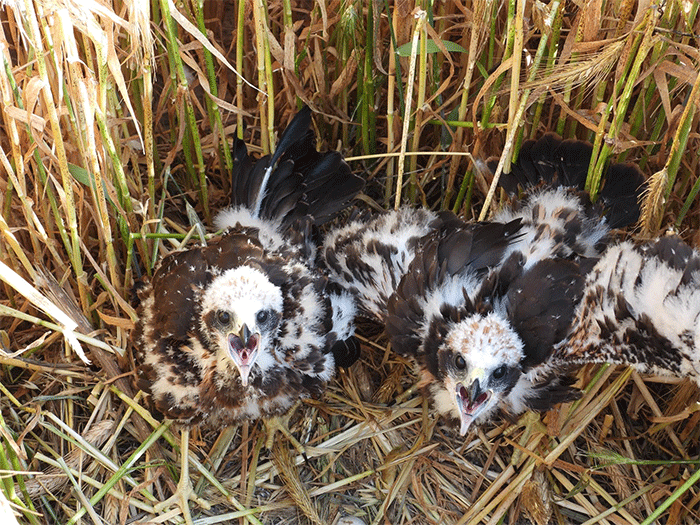
On the same day that a field is harvested, conservationists install an electric fence around the nest to help protect the chicks from predators such as foxes and martens once the surrounding crop has been cut. Six fences had already been erected, with another two due to be installed.
CABS said the current round of work had already saved 22 chicks from being killed by combine harvesters. The remaining nests are in wheat, spelt and triticale fields, which will be harvested later in the season.
Long-running farmland project
The work forms part of a long-running harrier protection project in the Rhineland, where CABS works with local ornithologists, NABU Bonn, biological stations and nature conservation authorities to find and protect nests before harvest.
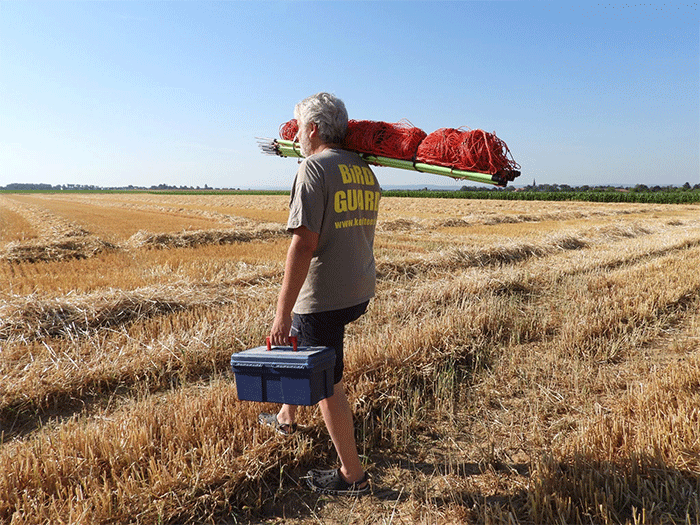
According to the project background, winter barley is particularly attractive to harriers because it is already the right height in spring when the birds return to breed. However, it also ripens early, meaning nests can still contain eggs or unfledged chicks when the harvest begins.
CABS says the problem has become more acute as earlier-ripening cereal varieties and rising temperatures bring harvest dates forward. Protection projects in Germany have played an important role in helping harriers recover, with field protection measures now routinely saving nests each year.
The organisation thanked the farmers involved, along with the Lower Nature Conservation Authorities of Euskirchen, Düren and Rhein-Erft districts, and local biological stations, for their support during the heatwave conditions.
July 2026
Get Breaking Birdnews First
Get all the latest breaking bird news as it happens, download BirdAlertPRO for a 30-day free trial. No payment details required and get exclusive first-time subscriber offers.
Share this story





