Griffon Vulture numbers in Sardinia more than double since 2020
A record island-wide census reveals rapid population growth, rising breeding success, and the long-term impact of coordinated conservation work
Conservation success across Sardinia
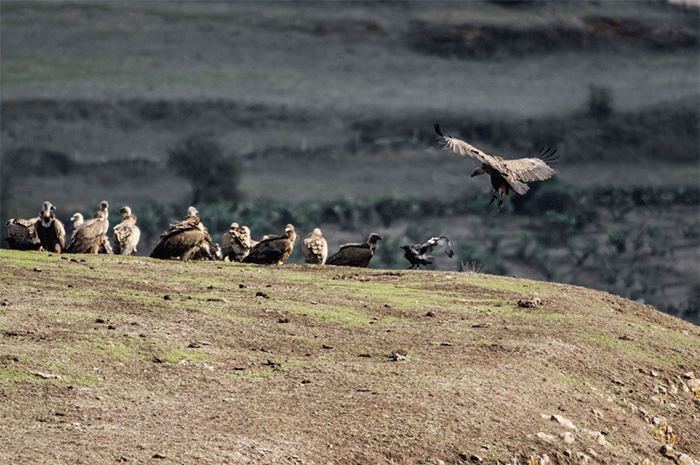
The 2025 Griffon Vulture census coordinated by the LIFE Safe for Vultures project has revealed a remarkable increase in the Sardinian Griffon Vulture (Gyps fulvus) population. Volunteers and experts counted between 516 and 566 individuals, marking a 21 % increase in just one year and more than doubling the population since 2020.
Largest simultaneous count ever
On census day, 161 volunteers and specialists covered 35 observation points across the island, making this the most comprehensive vulture count ever undertaken in Sardinia. Collaborating local and national NGOs helped ensure wide geographic coverage and consistent data collection.
Positive breeding trends
Monitoring during the 2025 breeding season showed increases not only in total vultures but also in breeding success. The number of territorial pairs reached 120, a 14.3 % increase from 2024, and included pairs composed of reintroduced and locally rehabilitated birds, underscoring the value of past conservation releases.
Why numbers are rising
Experts attribute the success to more than a decade of targeted conservation efforts. These include threat mitigation, public awareness campaigns, and a network of supplementary feeding stations developed with farmers and health authorities. Importantly, vultures released in previous restocking programmes are now reaching maturity and contributing to the breeding population.
Expanding range and ongoing work
The species is also expanding its range southwards across Sardinia, guided by strategic conservation planning. Building on earlier recovery initiatives, current work focuses on strengthening long-term survival through safe feeding sites, tackling illegal poisoning with specialist dog units, reducing risks from energy infrastructure, and reinforcing the population through carefully managed releases.
December 2025
Get Breaking Birdnews First
Get all the latest breaking bird news as it happens, download BirdAlertPRO for a 30-day free trial. No payment details required and get exclusive first-time subscriber offers.
Share this story