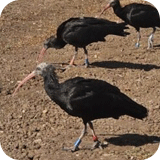
Great Indian Bustard numbers edge up as breeding programme shows early promise
Carefully managed captive breeding and habitat protection are beginning to slow the decline of Ardeotis nigriceps, one of the world’s most threatened birds

A species pulled back from the brink
After years of relentless decline, Ornithomedia is reporting that the Great Indian Bustard is showing the first signs of stabilisation. A captive breeding programme launched in 2019 has helped lift the total population from around 150 birds in 2018 to an estimated 173 individuals by 2025.
This remains a perilously small number, but it represents a rare moment of cautious optimism for a species long regarded as teetering on the edge of extinction.
A range reduced to fragments
Once widespread across the Indian subcontinent, the species now survives mainly in India, with its strongest remaining population in the Thar Desert of Rajasthan. Small and declining groups persist in a handful of other Indian states, while only a few birds are thought to remain in Pakistan.
The bird’s decline has been driven by a combination of intensive agriculture, infrastructure development, power lines, wind turbines, disturbance and illegal hunting - pressures that have steadily eroded both habitat and survival.
Breeding centres buy time
In response, a coordinated recovery programme was launched in 2019, bringing together national conservation bodies and regional forest authorities. Eggs collected from the wild were incubated with striking success, achieving hatching rates close to 95%.
Several captive-bred birds have since gone on to reproduce, either naturally or through artificial insemination. More than 45 individuals are now held in breeding centres, significantly reducing the immediate risk of total extinction.
Preparing for a cautious return
The next phase of the programme looks towards reintroduction. From 2026, young birds raised with minimal human contact are expected to be released into carefully managed landscapes.
Alongside this, nearly 180 square kilometres of habitat in the Thar Desert are being protected, restored and secured. Measures include fencing to exclude feral predators and safeguarding open grassland within both Desert National Park and restricted military zones.
Hope, tempered by reality
While recent gains are encouraging, the Great Indian Bustard remains Critically Endangered. Its future depends not only on breeding success, but on long-term protection of grassland ecosystems that are still among the most threatened and least valued habitats in the region.
For now, conservation efforts have bought the species time - but whether that time is enough remains an open question.
December 2025
Get Breaking Birdnews First
Get all the latest breaking bird news as it happens, download BirdAlertPRO for a 30-day free trial. No payment details required and get exclusive first-time subscriber offers.
Share this story