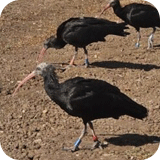
From cereal fields to a Stone-curlew stronghold
Twenty years of habitat restoration have changed the fortunes of a Wiltshire landscape and its remarkable breeding birds.

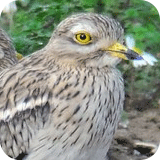
Two decades after the RSPB began restoring a Wiltshire cereal farm, Winterbourne Downs has become an important breeding site for Stone-curlews, with more than 100 young fledged over the reserve's lifetime.
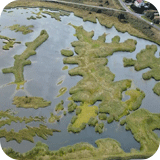
In its anniversary account, the charity reports that the population grew from two pairs to a peak of 11 in 2022. More than 200 hectares of chalk grassland have been restored, helping connect Salisbury Plain and Porton Down. The figures describe a long-term local achievement, rather than a new record breeding season.
Patrick Cashman, the RSPB's Wiltshire Reserves Site Manager, said:
"over 100 Stone-curlews have successfully fledged from Winterbourne Downs, which is an incredible achievement."
Patrick Cashman, RSPB Wiltshire Reserves Site Manager
The birds need open nesting ground as well as places to feed. Chalk scrapes at Winterbourne Downs stay largely free of vegetation throughout the breeding season, offering opportunities for second broods without further clearance. They need clearing after about five years, with work undertaken during winter when the birds are away.
Stone-curlews favour light, well-drained ground on downland, heathland and suitable farmland. Their eggs are laid in a shallow scrape, making nests on working arable fields vulnerable to agricultural machinery. Creating dedicated nesting areas allows land managers to provide the bare ground the birds need while reducing that risk.
Feeding habitat matters too. Stone-curlews search for earthworms, beetles and other invertebrates, often around dusk and dawn. Restoring a diverse grassland around nesting plots provides a different environment from a uniform cropped field, while retaining the open character these birds require.
The transformation involved active preparation and years of management. A Farm Wildlife case study published in 2020 describes work on a 24-hectare section begun in 2008. Soil testing helped select fields, and locally harvested seed was sown because natural colonisation alone was unlikely to establish the desired plants across such a large area.
Seed came from four nearby downland sites, including Salisbury Plain. Early cutting controlled unwanted vegetation, while removing the cut material helped lower nutrient levels. Yellow Rattle helped suppress grasses, giving other flowers more light. Sheep grazing subsequently maintained an open sward with some tussocks.
The results developed at different speeds. A varied plant community was present by the third year, but orchids were not seen until more than five years after sowing. The case study linked the slower arrival of some plants to the gradual recovery of soil fungi. It also recorded lessons from fields where higher phosphate levels allowed grasses to crowd out wildflowers.
Corn Buntings have benefited alongside the Stone-curlews. The RSPB reports more than 20 breeding pairs, where none had been recorded before its involvement. Undisturbed grassland provides nesting cover, with wild-bird seed mixtures contributing food.
The reserve's wider habitat mix supports Yellowhammers, Linnets and Grey Partridges, as well as Lapwings and Skylarks. Flower-rich areas and butterfly banks provide resources for insects, while hedgerows and scrub add shelter and a different set of feeding and breeding opportunities.
2 Oct 2026
Get Breaking Birdnews First
Get all the latest breaking bird news as it happens, download BirdAlertPRO for a 30-day free trial. No payment details required and get exclusive first-time subscriber offers.