Flock to St Helena Island 2026: A Bucket-List Birding Adventure
Wirebirds, tropicbirds, cloud forests and colonial history await on one of the world's most remote islands
Discover a land like no other
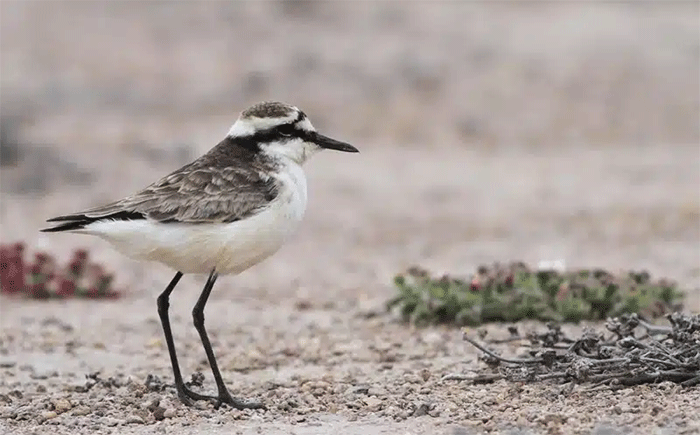
Tucked deep in the South Atlantic Ocean, far from any major landmass, St Helena Island is a living treasure trove for birders and naturalists. Home to the Wirebird – Charadrius sanctaehelenae – the island’s only surviving endemic land bird, this isolated outpost also hosts nine breeding seabird species including the elegant Red-billed Tropicbird, dainty White (Fairy) Tern, and striking Masked Booby. Endemic invertebrates, unique plant life and a thriving marine environment only add to the island’s exceptional natural appeal.
But it’s not just about the wildlife. From the hauntingly beautiful slopes of its ancient volcanic peaks to its historic Georgian townscapes and Napoleonic relics, St Helena is steeped in stories – and blissfully untouched by mass tourism. There’s even a celebrity resident: Jonathan, the 192-year-old tortoise and the world’s oldest known living land animal.
Travel with purpose – and expertise
In early 2026, BirdLife South Africa will lead three immersive expeditions to the island, offering birders and wildlife enthusiasts a rare chance to experience its natural riches firsthand. Each group will enjoy guided exploration of the island’s habitats and history, with tailored opportunities to observe key bird species including the critically important Wirebird. These trips are ideal for those with a love of remote destinations and a passion for birds, biodiversity and conservation.
From stark volcanic ridges to mist-laced cloud forests – the last of their kind on British territory – St Helena’s landscapes are as dramatic as they are diverse. The expeditions also provide a window into the island’s complex past: from Napoleon’s final exile to Boer War cemeteries, centuries-old forts and the charming architecture of Jamestown.
Choose your 2026 departure
Each trip includes flights from Cape Town and returns via Johannesburg. Travellers can choose from three departures:
Group 1: 27–31 January 2026 (4 nights) – R67,000 pp sharing Group 2: 3–7 February 2026 (4 nights) – R67,000 pp sharing Group 3: 10–15 February 2026 (5 nights) – R72,000 pp sharing
Accommodation options include Contemporary, Heritage Room, or Heritage Suite categories, with single and room upgrade supplements available. Prices are subject to exchange rate fluctuations and group size minimums. South African passport holders do not require a visa, though an entry permit (£20) is included in the tour price.
Plan your journey
For anyone dreaming of a true off-the-beaten-track expedition, Flock to St Helena Island 2026 is the opportunity of a lifetime. Whether you’re chasing endemic birds, exploring remote cloud forest, or walking in the footsteps of exiled emperors, St Helena is a destination that promises awe and inspiration in equal measure.
Visit birdlife.org.za/sthelena/ or email clare.neall@birdlife.org.za to book your place and be part of this extraordinary experience.
July 2025
Share this story