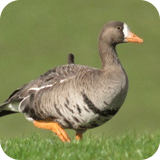
Egyptian Vulture hatches in pylon nest - a first for Europe
An unprecedented event recently occured in the northwest of Extremadura — an Egyptian Vulture pair have successfully bred on a transmission tower / pylon - an unusual nest site for the species - and the first time it has been recorded in Europe.
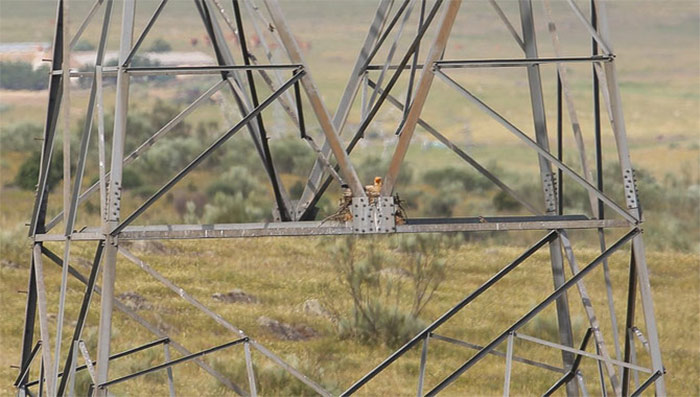
Successful Egyptian Vulture nesting on a pylon
Usually, Egyptian Vultures nest high in caves or on cliff ledges. But, a breeding pair made an exception in Extremadura as they built their nest on a transmission tower owned by Red Eléctrica de España near the river Tagus. After a couple of months of being busy during the breeding period, the Egyptian Vulture pair welcomed their chick! This is the first time that an Egyptian Vulture chick hatched on a nest built on a pylon in Spain, but also in Europe. Perhaps it is the first time in the world as never before has a similar case been recorded. "In our country a few years ago, a case of nesting of Egyptian Vultures in another tower was recorded, but successful reproduction had never been certified until the recent case in Extremadura", says Angel Sanchez from the Junta de Extremadura.
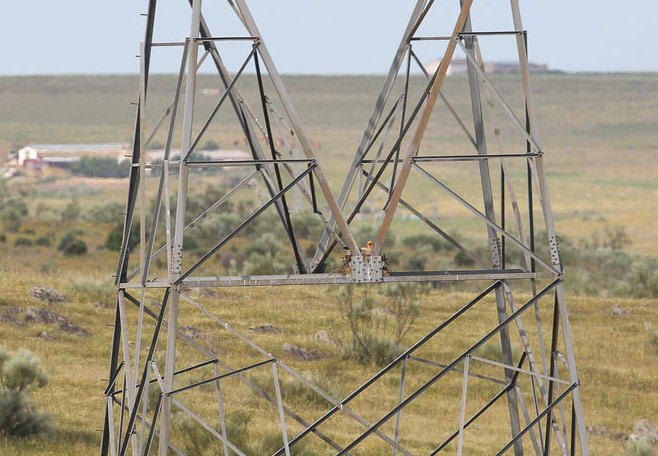
Coexistence of energy infrastructures and birds
This finding is a step forward promoting the symbiosis of birds and energy infrastructures. Collaborations between conservationists and energy operators are becoming more and more frequent and are essential in the protection of soaring birds like vultures. Large birds of prey often breed in such towers, which allows them to have a clear viewpoint and offers them a safe refuge as they prevent other predators from climbing up to the nest. A significant example is the case of Ospreys in Cadiz. Since 2011, Red Eléctrica de España has been participating in a project run by the Migres Foundation and Junta de Andalucia to recover this species, which has not reproduced in the region since the 1980s. To date, the result is very positive as 30 chicks have already fledged from these nests.
Electrocution and collision are significant threats to vultures and other bird species when pylons and cables don't have adequate isolation or markers. It is essential to secure existing hazardous energy infrastructures and collaborate with the energy sector to ensure the correct measures are executed during the planning and implementation of new energy infrastructure to minimise risks imposed to soaring birds and vultures, like the VCF and its partners do in several LIFE-funded and MAVA-funded projects. Operators like Red Eléctrica de España significantly support conservation efforts, always taking into account the protection of biodiversity when they are developing new infrastructure.
13 July 2020
Share this story