Cooking oil contaminated gulls released back into the wild
Scotland’s animal welfare charity the Scottish SPCA has recently released nine gulls which had been contaminated by cooking oil in Peterhead, Aberdeenshire.
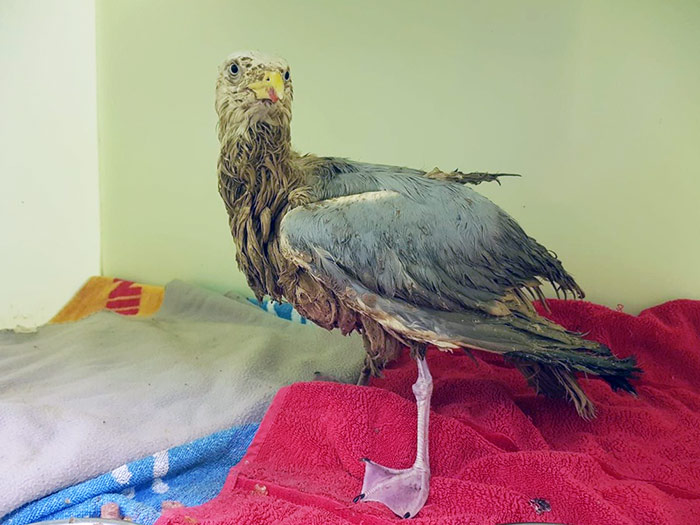
They were alerted to the oiled birds on 14 January by a concerned member of the public.
Animal rescue officer Michelle Mann recovered the birds in Peterhead. They were then transported south to Tayside where animal rescue officer Beverley O’Lone collected the birds and helped them complete their 150 mile journey to our National Wildlife Centre at Fishcross.
Manager of the wildlife centre, Colin Seddon said, “We recently received nine birds which had been severely contaminated with cooking oil.
?? Did you hear about the nine gulls we recently released after arriving in our care covered in cooking oil?
— SCOTTISH SPCA (@ScottishSPCA) January 22, 2019
Check out this video of their release and read the full news story on our website.
?https://t.co/Vwl5IHfHRJ pic.twitter.com/fwZQif2Qtl
“Within a day of their arrival they were washed and treated to minimise any ingestion and feather damage.
“We are unsure how the gulls became contaminated but it is often due to oil simply being dumped, washed down a drain which eventually ends up in a river or estuary or even from a rubbish tip where gulls often feed.
“Thankfully all nine birds made a full recovery and were released back into the wild.”
If the public encounter a contaminated river or water environment they should contact Scottish Water. Those who discovered an injured wild animal should contact our animal helpline on 03000 999 999.
23 January
Share this story