


Climate Change Delays Spring Arrivals at Spurn
Long-term monitoring at one of Britain’s best-known migration hotspots shows that warmer, wetter springs are delaying arrivals – and changing the rhythm of migration itself
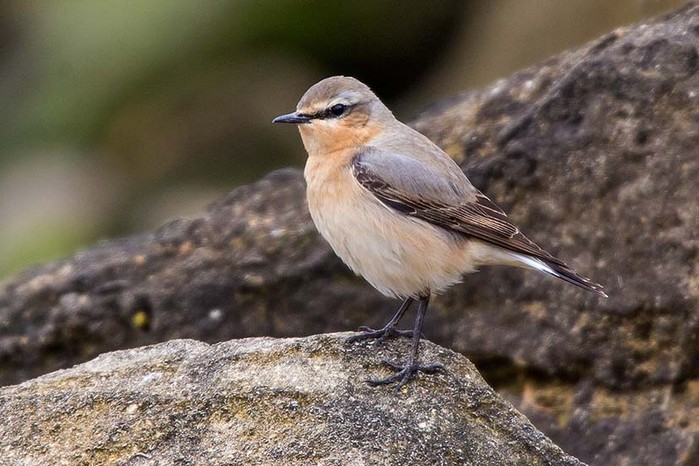
Climate change at a coastal crossroads
Spurn Bird Observatory, perched on the narrow Yorkshire peninsula that juts into the North Sea, has long been a magnet for migratory birds and the birders who study them. Now, a 25-year analysis of its ringing data has revealed that the seasons themselves are shifting – and birds are responding in unexpected ways.
Researchers from Liverpool John Moores University examined more than two decades of ringing records, linking them with local climate data. Their findings show that while temperatures at Spurn have steadily risen since the mid-1990s and snowfall has almost vanished, rainfall has remained largely stable. Yet these changing conditions have subtly altered the timing of bird movements.
Later springs, earlier autumns
Contrary to the widely reported trend of earlier spring arrivals, the study found that many species are now arriving later in spring when conditions are both warm and wet. In autumn, warmer and drier conditions are bringing arrivals forward – birds are showing up earlier, then leaving quickly. This “compressed migration window” could have consequences for energy budgets and stopover ecology, particularly for long-distance migrants.
In warm, wet springs, birds not only arrive later but stay for a shorter period. “Our data suggest that birds are adjusting the timing and duration of their stopovers based on changing environmental cues,” said lead author Danielle Hinchcliffe. “These patterns challenge the assumption that warming always advances spring migration.”
Winners, losers and changing communities
While phenology – the timing of migration – is shifting, so too are the fortunes of different species. Abundance trends varied widely: Blackcaps and Chiffchaffs have increased, while Greenfinches, Linnets and Chaffinches have declined sharply. The fall in finch numbers corresponds closely with the emergence of trichomonosis, a disease that first appeared in Britain in 2005 and has since devastated finch populations.
Despite these fluctuations, overall species richness at Spurn has remained stable, suggesting that while some species decline, others are filling the gaps. The study highlights how community composition – rather than simple species counts – may be the most telling measure of ecological change.
Effort and interpretation
The authors also caution against overinterpreting raw ringing data. Catching effort strongly influenced species diversity and abundance results. Years with more consistent ringing coverage yielded higher totals, emphasising the need for standardised methods and sustained volunteer participation.
“Citizen science ringing data are invaluable, but they come with caveats,” Hinchcliffe noted. “Consistency in effort and methods is key if we want to use these long-term datasets to understand real ecological change.”
Looking ahead
The paper concludes that while the climate at Spurn is changing, so too is bird behaviour – but not in uniform ways. Some species appear to be adapting; others are showing signs of stress or decline. The value of sustained ringing at observatories like Spurn lies in capturing these subtle shifts, providing a window into how bird populations may respond to continued environmental change.
“Long-term ringing datasets are vital,” said co-author Patrick Tkaczynski. “They allow us to detect and predict the ecological responses of birds to a changing world – information that’s crucial for targeted conservation action.”
October 2025
Get Breaking Birdnews First
To get all the latest breaking bird news as it happens, download BirdAlertPRO for a 30-day free trial – no payment details required – and access exclusive first-time subscriber offers.
Share this story





