Burning Banned on England’s Deep Peat to Protect Wildlife
New regulations extend protections across more than 670,000 hectares of peatland, aiming to cut emissions, reduce wildfire risks and restore fragile ecosystems
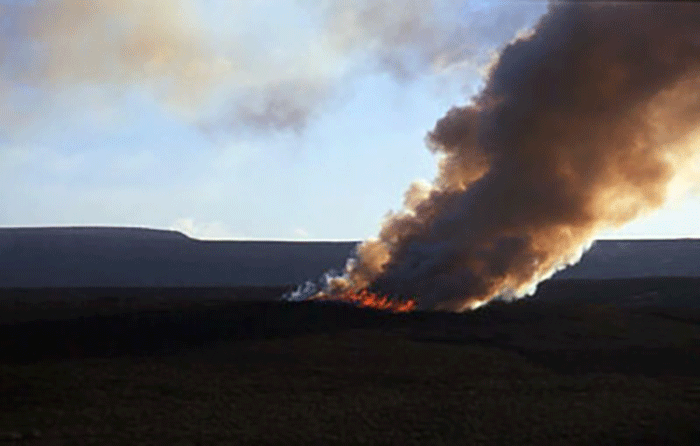
A major expansion of protections
From 30 September 2025, the burning of heather, grass and other vegetation on England’s deep peat will be banned under new rules announced by DEFRA. The changes triple the area safeguarded – from around 222,000 hectares to more than 676,000 hectares – by lowering the threshold definition of deep peat from 40 cm to 30 cm.
The ban follows growing evidence that fire not only destroys peat’s ability to lock up carbon but also worsens air pollution, harms wildlife and increases the likelihood of wildfires. Peatlands cover just 10% of England yet store the majority of its soil carbon, making their protection central to climate and conservation goals.
Why peatlands matter
Peat soils develop over thousands of years, building up dense layers of decayed plant material in permanently wet conditions. When drained or burned, they dry out and release carbon dioxide, turning from sinks into sources of emissions. With around 80% of England’s peatland already degraded, the government says restoring these areas is vital for achieving net zero.
Peatlands also provide natural flood management by absorbing rainfall, filter drinking water and support specialised wildlife including waders, dragonflies and rare bog plants. Their restoration helps secure habitats that cannot easily be recreated elsewhere.
Health and wildfire risks
The smoke from burning peat vegetation carries harmful particles linked to heart disease, asthma and cancer. Communities close to moorlands often report poorer air quality during the burning season. Fire also increases the risk of uncontrolled wildfires that can devastate landscapes, destroy wildlife and cause long-term damage to soils.
Exceptions and management
A licencing system will allow limited prescribed burning in exceptional cases – for example, where it is deemed necessary to manage wildfire risk. However, the overall shift is towards rewetting and restoration rather than burning as a management tool.
The government says these rules will complement peatland restoration schemes and provide clarity for land managers. Compensation measures and long-term incentives are expected to be part of the Environmental Improvement Plan due later this year.
Protecting wildlife and ecosystems
The move has been welcomed by conservation groups as a crucial step for moorland birds and plants that depend on wet bog habitats. Without intervention, further drying would have continued to erode these ecosystems, leaving wildlife vulnerable and ecosystems less resilient.
By curbing burning, DEFRA aims to give restoration projects the best chance of success, turning degraded peat back into functioning wetlands that benefit both nature and people.
September 2025
Share this story