


Blue-headed Quail-Dove population rediscovered in central Cuba
Encouraging field observations suggest the elusive species persists beyond its last known strongholds
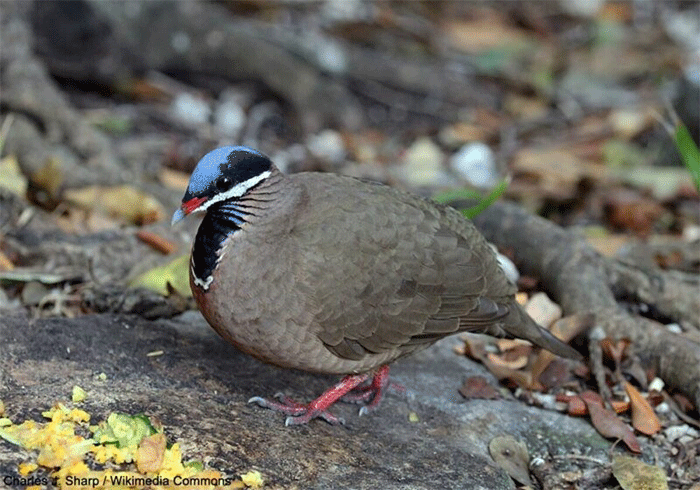
Encouraging news for one of the Caribbean’s most elusive birds has emerged, with Ornithomedia reporting the rediscovery of a population of Blue-headed Quail-Doves in central Cuba. The species, long considered extremely rare and difficult to observe, had not been reliably recorded in this part of the island for many years.
The recent observations indicate that the species may persist in a wider area than previously confirmed, offering cautious optimism for its long-term survival.
The Blue-headed Quail-Dove (Starnoenas cyanocephala) is endemic to Cuba and is known for its highly secretive behaviour. Typically inhabiting dense forest understorey, it spends much of its time on the ground and is rarely encountered, even in areas where it is known to occur.
Its striking appearance - with a vivid blue crown, red legs and contrasting facial markings - makes it unmistakable, but also highlights how unusual it is for observers to obtain clear views.
According to the report, individuals were observed in forested habitat in central Cuba, a region from which recent confirmed records have been scarce. The sightings were supported by field observations that matched the species’ distinctive features and behaviour.
While precise numbers were not given, the presence of multiple birds suggests that a small but potentially stable population may be present in the area.
The species is considered threatened due to habitat loss and fragmentation, as well as historical hunting pressure. As a result, confirmed populations are limited and often isolated.
The rediscovery of birds in central Cuba is therefore significant, as it may indicate that remnant populations have persisted undetected. This underlines the importance of continued survey work in suitable habitat.
Despite the positive nature of the discovery, much remains unknown about the status of the species across its range. Further fieldwork will be needed to determine population size, distribution and long-term viability.
April 2026
Get Breaking Birdnews First
Get all the latest breaking bird news as it happens, download BirdAlertPRO for a 30-day free trial. No payment details required and get exclusive first-time subscriber offers.
Share this story





