Birds can suffer serious harm from heat waves
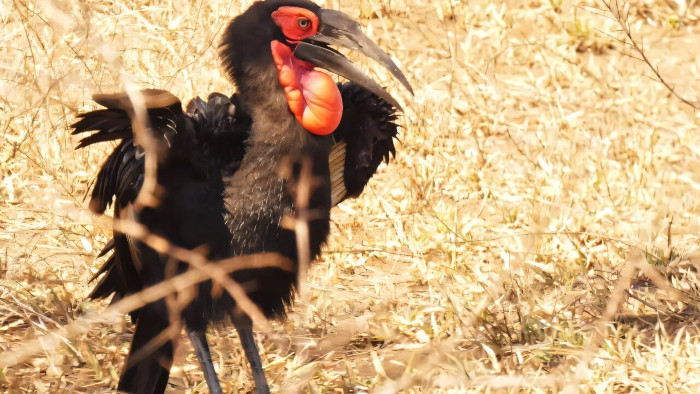
Extreme weather poses a big threat to birds. Yet there is a lack of both knowledge and methods for measuring its negative effects. In a new study published in Trends in Ecology & Evolution, researchers from Lund University in Sweden have identified knowledge gaps and propose practical tools for analyzing the risks to birds.
Extreme weather has become increasingly common worldwide, often in the form of combinations of heat and drought. These weather events are also becoming increasingly severe in intensity. Birds are ill-equipped to cope with these new conditions.
A new research study on birds and extreme weather shows that heat waves in many parts of the world have caused either mass mortality or a general and lasting deterioration in physical condition in birds.
"Compared to many mammals, birds are almost exclusively diurnal, and they cannot burrow or hide in underground tunnels to escape high temperatures," says Andreas Nord, a biology researcher at Lund University and the lead author of the study.
Despite the birds' vulnerability, researchers know almost nothing about how they are affected by heat, Nord notes. There is a lack of knowledge on which physiological and behavioral mechanisms are the most important to mitigate heat stress, how these function, and how they differ between different bird species. Furthermore, almost all available studies conducted to date have been carried out in the southern hemisphere and in desert regions.
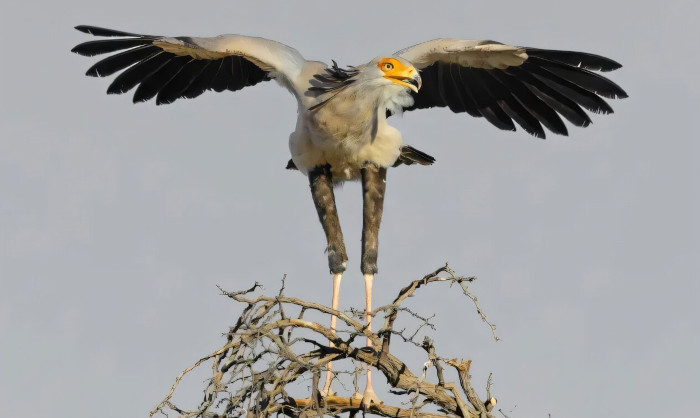
"In Europe, particularly in the northern parts, we know almost nothing about birds' tolerance to extreme weather events and global warming. This is worrying," says Nord.
The study shows that humidity plays a major role in how heat tolerance functions and how it evolved, which, according to Nord, is something that has been overlooked in almost all previous studies. The researchers also point out that factors such as age, lifespan and general health are key to understanding how birds are affected by extreme heat.
The aim of the current study has been to shed light on these knowledge gaps and to provide robust theoretical models that can help calculate and predict the effects of extreme weather on different birds and in different environments. The researchers also propose so-called sensitivity indicators that can be used to study these negative effects.
"Our study provides both a framework and a prioritization scheme for determining when and why birds suffer or even die from overheating, and what we need to find out to make this a less likely outcome in the future," Andreas Nord concludes.
Lund University
12 May 2026
Get Breaking Birdnews First
Get all the latest breaking bird news as it happens, download BirdAlertPRO for a 30-day free trial. No payment details required and get exclusive first-time subscriber offers.
Share this story