


Bird Tourism Booms Where Development, Stability and Avian Riches Converge
Global study reveals that birdwatching destinations thrive not only on species diversity but also on human development and societal stability
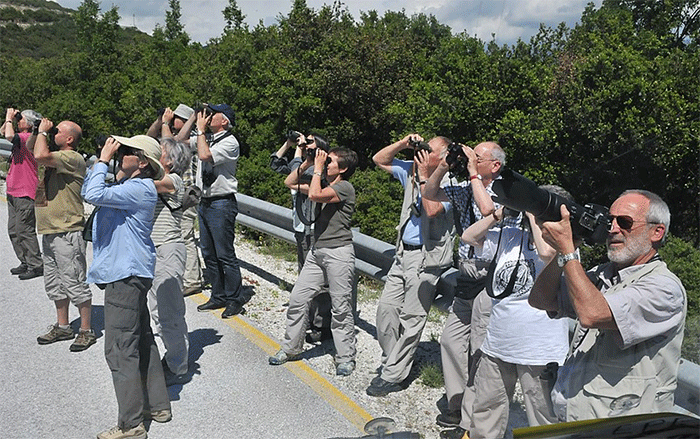
A global surge in bird tourism
Birdwatching has rapidly become one of the fastest-growing sectors of nature-based tourism, with far-reaching implications for both conservation and rural economies. A new study published in People and Nature has analysed global patterns of tourist birding using eBird records from 2010 to 2022, offering the clearest picture yet of what drives birders to travel across borders.
Researchers examined 155 countries and found that avian “bird capital” - especially the presence of many species with small, localised ranges - strongly predicts international birding activity. Yet biodiversity alone does not tell the full story.
The role of human development and stability
The study showed that countries with higher Human Development Index (HDI) scores and greater societal stability attract significantly more visiting birders. In fact, HDI explained more of the variation in tourist birding than any other factor, ahead of species richness itself. Tourists appear to prefer destinations where infrastructure, safety and services are reliable - even when neighbouring countries host similar birdlife.
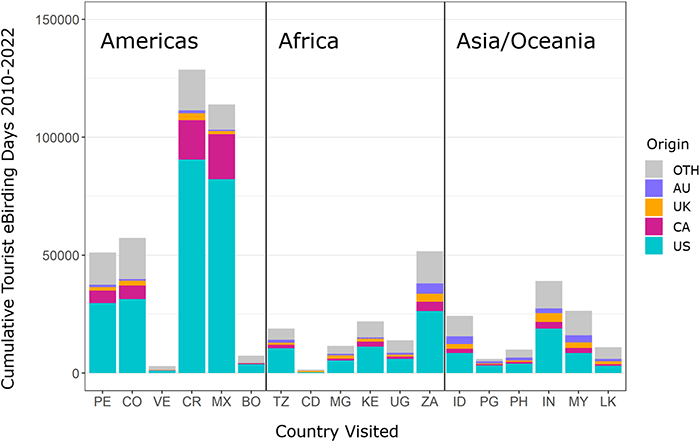
For example, Costa Rica receives far more bird tourism than nearby Nicaragua despite their comparable biodiversity, a pattern echoed in the Dominican Republic versus Haiti. Conversely, countries such as Colombia and South Africa buck the trend, drawing strong international birding interest despite relatively lower peace index scores, thanks to their exceptional bird capital.
Winners, losers and untapped potential
The analysis highlights stark disparities between countries realising their avitourism potential and those missing out. Costa Rica, Ecuador, Peru and Mexico all emerged as top performers, marrying high biodiversity with favourable socio-economic conditions. By contrast, Venezuela, Bolivia, the Democratic Republic of Congo and Papua New Guinea possess world-class concentrations of small-range birds but attract far fewer birding tourists than expected.
These gaps, the authors argue, represent missed opportunities where targeted investment in stability, accessibility and services could unlock major conservation and economic benefits. The post-pandemic boom in birding travel suggests that nations prioritising such improvements could quickly gain ground.
Conservation and economic implications
Avitourism already contributes billions globally, supporting rural livelihoods while incentivising the protection of habitats and species. By demonstrating the importance of socio-economic context alongside biodiversity, this study underscores the need for integrated strategies that combine conservation priorities with investments in human development and governance.
The authors conclude that bird tourism offers a powerful, underutilised pathway for conservation funding. But to succeed, biodiversity-rich nations must also provide the stability, safety and infrastructure that international birders require.
September 2025
Share this story





