Another Mass Vulture Poisoning in South Africa Triggers Conservation Outcry
Only a few weeks after a shocking vulture mass poisoning incident was identified in the Kruger National Park, another incident was now reported. Over 100 critically endangered vultures found dead in Mpumalanga in a deliberate poisoning incident with no traditional medicine motive.
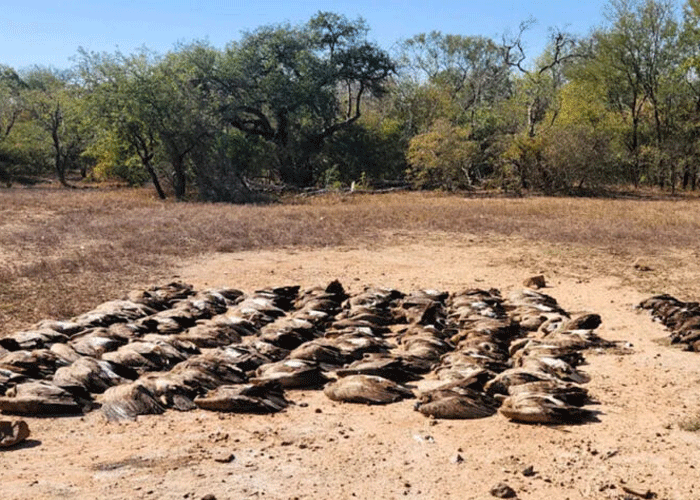
A shocking discovery in Lionspruit
More than 100 vultures have been found dead in Lionspruit Game Reserve, near Marloth Park in Mpumalanga, in what appears to be a targeted poisoning event. The casualties included 92 White-backed Vultures, nine Hooded Vultures, and one White-headed Vulture - all classified as Critically Endangered or Endangered on the IUCN Red List.
The poisoned birds were discovered near a warthog carcass believed to have been deliberately laced with toxins. Unlike other recent cases, there was no evidence of body parts being removed for traditional medicine use, suggesting a different motive - likely to prevent vultures from alerting rangers to poaching activity.
Technology leads investigators to the scene
The incident came to light thanks to GPS tracking data from rehabilitated vultures previously fitted with transmitters by VulPro and the Wild and Free Wildlife Rehabilitation Centre.
When the birds stopped moving normally, conservation teams alerted field rangers from Nkomazi municipality, who quickly located the site. The scene revealed dozens of dead birds clustered around the carcass, confirming a large-scale poisoning.
No signs of muti-killings this time
In many recent poisoning incidents, vultures are killed so their heads and other parts can be used in traditional medicine - known as muti. However, in this case, all carcasses were intact.
This has led experts to suspect the poisoning was a strategic act to eliminate vultures as 'informants' - vultures circling overhead can give away the location of poaching activity, particularly after elephant or rhino killings.
Samples under analysis
Veterinary toxicologist Dr Gerhard Verdoorn, director of the Griffon Poison Information Centre, collected samples from the site along with veterinary pathologist Dr Peet Venter. These are currently undergoing toxicological analysis.
The results will help confirm the substance used and may support criminal investigations if suspects can be identified. Conservationists are urging authorities to take the case seriously, given its scale and the species affected.
A growing pattern of crisis
This is not an isolated event. Just weeks earlier, over 120 vultures were poisoned in Kruger National Park after feeding on a deliberately laced elephant carcass. The cumulative impact of such events is pushing African vultures ever closer to extinction.
With many species already in steep decline due to habitat loss, poisoning, and collision with energy infrastructure, these deliberate mass killings are rapidly becoming one of the leading threats to vultures across the continent.
Urgent need for action
The Vulture Conservation Foundation and partners are calling for stronger enforcement of anti-poisoning laws, better ranger training, and public education campaigns to raise awareness of vultures’ vital ecological role.
“These birds are nature’s clean-up crew,” said the Foundation in a statement. “Without vultures, carcasses linger, disease spreads, and ecosystems falter. Every poisoning incident is a blow to biodiversity and to public health.”
For more information on vulture conservation efforts, visit the Vulture Conservation Foundation.
June 2025
Share this story