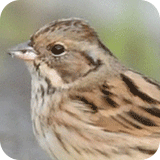
Peatland drying causing bird populations to plummet
A recent international study indicates that the populations of peatland birds in Finland, Sweden, Norway, Estonia and Latvia have decreased by a third during the past three decades. The situation in Finland is the most dire, and the species in most trouble in Finland is

"The populations of many common peatland birds, such as the
The only peatland bird to become more common in all of the countries mentioned is the
Draining and the peat industry to blame
The poor situation of peatland birds can be attributed particularly to the diminishing natural peatlands resulting from decades of wetland draining and peat production.
"In general, peatland birds are much more plentiful on high, open fens and undrained swamps," explains Andreas Lindén, senior researcher from Novia University of Applied Sciences.
In many areas, there have been efforts to transform wetlands into forests through draining. Finland has the most drained wetlands in all of northern Europe. Only 14% of Finnish peatlands are protected, most comprehensively in northern Lapland.

Approximately 75% of Estonian peatlands are now protected, and the study suggests that the country's populations of peatland birds are on the rise.
Finland should take responsibility for conservation
According to the researchers, the status of the peatland bird populations can be improved by protecting the existing peatlands and by rehabilitating previously drained fens and marshes.
"Because it has the largest area of wetlands, Finland has the greatest responsibility for maintaining the populations of peatland birds in the European Union. Consequently, we should place more effort on protecting and rehabilitating our wetlands," states Lehikoinen.
28 September 2017
Journal reference: Sara Fraixedas, Andreas Lindén, Kalle Meller, Åke Lindström, Oskars Keišs, John Atle Kålås, Magne Husby, Agu Leivits, Meelis Leivits, Aleksi Lehikoinen. Substantial decline of Northern European peatland bird populations: Consequences of drainage. Biological Conservation, 2017; 214: 223. DOI: 10.1016/j.biocon.2017.08.025
Share this story