Seabirds Count: the 4th national seabird census
The UK and Ireland are home to approximately eight million breeding seabirds, which make up some of Europe’s most important seabird colonies, with breeding populations of species such as Gannet, Manx Shearwater and Great skua of global significance. With such importance comes the responsibility of monitoring seabird colonies and their productivity. In the UK and Ireland, this work is carried out by the Seabird Monitoring Program (SMP) partnership, who collect population and productivity data from a sample of colonies and use them to produce UK-wide population trends. These trends reflect the changing fortunes of our breeding seabirds as they respond to pressures such as global warming, changes in food availability, and invasive non-native species.
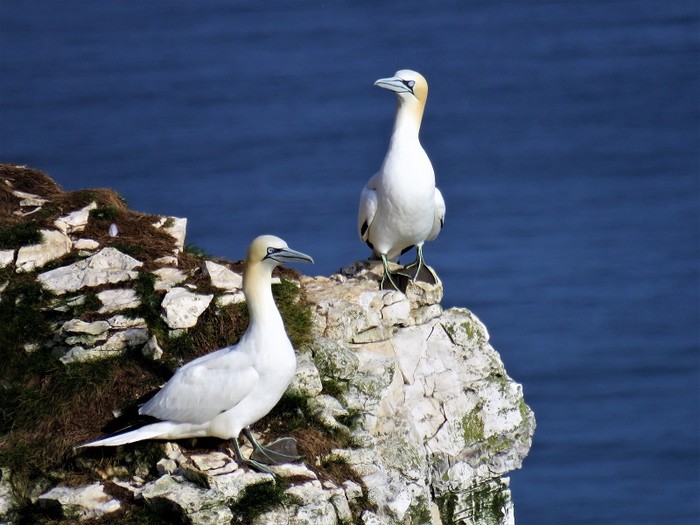
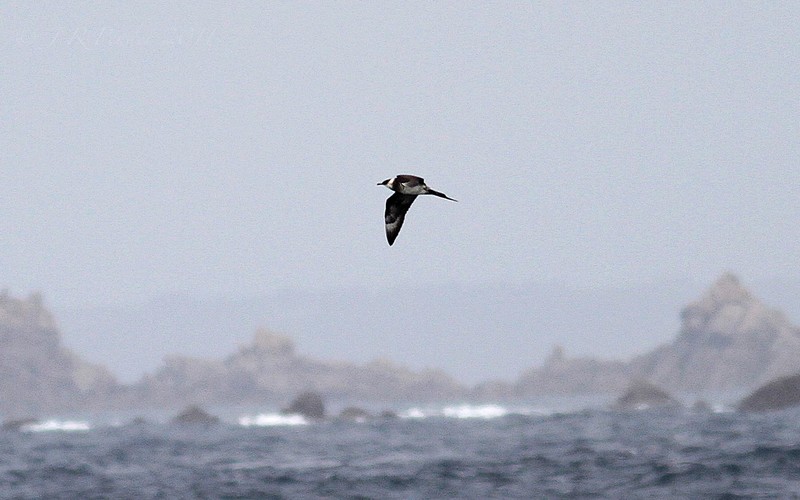
Despite these pressures, some seabirds are faring well in the UK. Gannet numbers are increasing, and Mediterranean gulls have also grown in number. Unfortunately, many species have shown more concerning trends. For example, black legged kittiwakes and Arctic skuas have shown alarming declines, and data on some gull species suggests that ‘natural nesting’ populations are in steep decline, with this possibly being mitigated by increases in urban areas. To ensure correct and current population estimates for these species, and that the trends produced by the SMP are valid, it is necessary to compliment the SMP data with a census of the entire breeding seabird population of the UK - or as much of it as possible.
To date, three previous censuses have provided this information. Operation Seafarer ran between 1969 – 70, the Seabird Colony Register between 1985 – 88, and Seabird 2000 between 1998 and 2002. With gaps between these censuses of approximately 15 years, the time to conduct the next national census has arrived. This time the census, developed by the SMP Partnership and coordinated by the Joint Nature Conservation Committee (JNCC) will be called Seabirds Count, and data collection will run until the end of the breeding season in 2019. The evidence suggesting widespread declines since Seabird 2000 in both populations and productivity (number of chicks fledged per pair) of a wide range of seabird species, makes achieving the fullest cover possible of paramount importance.
As you might imagine, undertaking a complete census of the UK’s breeding seabirds will not be easy. Colonies of species such as storm petrels and Manx shearwater are found in remote and difficult to access locations, and need to be censused using specific methods. Urban gull colonies could also be difficult to census, with gulls nesting on inaccessible rooftops, completely out of sight of any would-be surveyor. Fortunately, many other colonies such as ground-nesting gulls and terns, and cliff nesters, are much easier to access, and getting data for these breeding sites will be an exercise in deploying manpower. The success of Seabird 2000 was, by in large, due to the support and hard work of over 1000 surveyors. With nearly 12,000 known seabird breeding sites across Britain and Ireland, the Seabirds Count census is no small task, and although survey work began in 2015, there are still significant gaps that need to be filled. This is where we need your help! We need volunteers to count safe, accessible colonies, allowing us to direct resources towards getting data from the more remote areas. You can help in two ways; by volunteering to coordinate counts for your recording area, or simply by volunteering to count sites.
The model of a network of regional coordinators directing volunteer effort has been trialled in some Scottish counties in 2017, with great success. With the help of 20 volunteers, coordinated counts in North East Scotland have collected data for the majority of the area’s coastline. This work has highlighted local increases in common and black guillemots, European shags great cormorants, and local declines in fulmar and cliff nesting herring gulls, compared to the counts completed for Seabird 2000. This huge effort will allow volunteer time over the coming years to be focused on inland and urban gull censusing, and gap filling the few uncounted areas on the coast.

Get involved
Information on both the coordination and volunteering roles can be found on the JNCC website, which will also host regular updates and features from volunteers as they carry out their counts. The website also hosts information on the methods that volunteers will need to use, and instructions on how best to collect and submit the data. You will also be able to keep up with census progress by following @JNCC_UKseabirds and the hashtag #seabirdscount on twitter, with updates on this and more of the JNCC’s work at @JNCC_UK.
We’d be really grateful for any help you’d be able to give. If you’re interested in getting involved, please take a look at the links above, and make contact with the census coordinator at SeabirdsCountCoordinator@jncc.gov.uk.
15 January 2018
Share this story