UK bird population indicators reach a new low
The latest official figures show continuing losses among farmland, seabird and upland specialists, despite recoveries by some species.
The UK breeding bird indicator has fallen to its lowest level in the series, with the average abundance of 132 monitored native species 19% lower in 2025 than in 1970, according to the latest official figures.
The Defra Accredited Official Statistics show that the index fell by a further 5% between 2020 and 2025. Forty-five per cent of assessed species declined over the latest five-year period, while 27% increased. In England, 55% of species were in short-term decline.
The national indicator combines annual population estimates into a geometric mean. It is therefore a measure of average change across the species included, not a count of every bird in the country. The figures are compiled by the BTO with the RSPB and JNCC, drawing heavily on structured surveys carried out by volunteer observers.
Farmland birds remain among the worst affected. Their combined UK index is 63% below its 1970 baseline and has fallen another 12% since 2020. Specialist species have experienced the deepest long-term loss, but recent declines in generalists including Yellow Wagtail and Greenfinch have also pulled the indicator down.
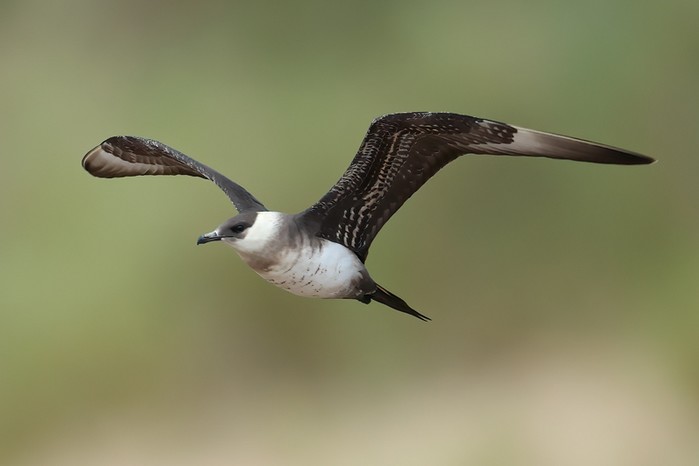
Seabirds show the steepest fall of any habitat group in the new release. The UK index for 13 species has declined by 52% since 1986 and by 22% in the past five years. Arctic Skua, Herring Gull and European Shag are among the species with long-term declines, while the recent period also captures the consequences of avian influenza at crowded colonies.
Birds are indicators of the way we're looking after the countryside and the world around us.
Professor Richard Gregory, RSPB
Woodland birds are 32% lower than in 1970 across the UK, although their combined index changed little between 2020 and 2025. That apparent stability conceals contrasting fortunes: woodland specialists such as Willow Tit and Spotted Flycatcher have driven much of the long-term decline, while several widespread generalists have weakened more recently.
Upland birds have fallen by 19% since the separate index began in 1994. Upland specialists are 33% lower overall and 15% lower since 2020, with Dotterel and Whinchat among the long-term losers. Generalists have fared better, helped by the recovery of Red Kite.
There are other positive exceptions. The official release records strong increases for some wetland species, including Cetti's Warbler, Little Egret and Goosander. Wintering waterbirds remain 88% above their 1975 baseline, although their long period of growth ended around 2000 and the index has since declined gradually.
The statistics do not identify the cause of every species trend. Defra links the long-term farmland decline to changes including the loss of mixed farming, heavier pesticide and fertiliser use and hedgerow removal, but pressures vary among habitats and species. The seabird figures, for example, include climate-driven food changes as well as disease effects.
The latest values also carry uncertainty. Trends are smoothed to reduce annual fluctuations caused by weather, survey variation and unusually good or poor breeding seasons. The 2025 point can change when more data become available, and some scarce species require short extrapolations because their results are published later.
Even with those qualifications, the direction is clear across several independent indicators. Recent gains by Red Kite, Common Crane and Firecrest show that recovery is possible, but they do not offset the broad losses recorded among farmland birds, seabirds and habitat specialists.
14 Oct 2026
Get Breaking Birdnews First
Get all the latest breaking bird news as it happens, download BirdAlertPRO for a 30-day free trial. No payment details required and get exclusive first-time subscriber offers.