Suspect identified after three Bearded Vultures killed in Andalusia
By Vulture Conservation Foundation
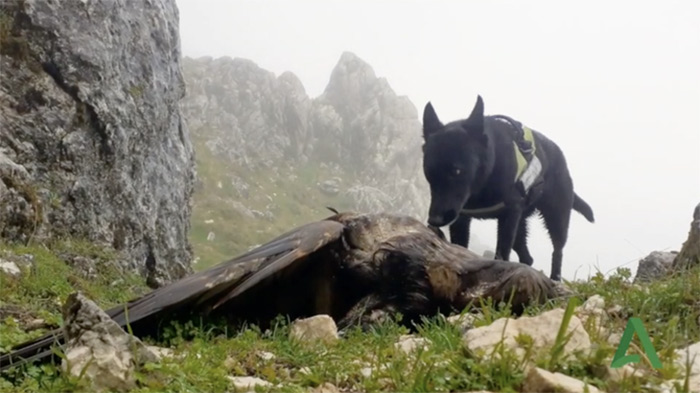
We are devastated to inform you that one wild-hatched and two reintroduced Bearded Vultures recently lost their lives due to a poisoning incident in Granada, Andalusia. Still, there is a glimmer of hope to achieve some justice for this serious crime and disastrous loss. Thanks to the immediate and appropriate response by the competent authorities, the investigation already identified a possible perpetrator responsible for these deaths.
Victims of the recent poisoning incident
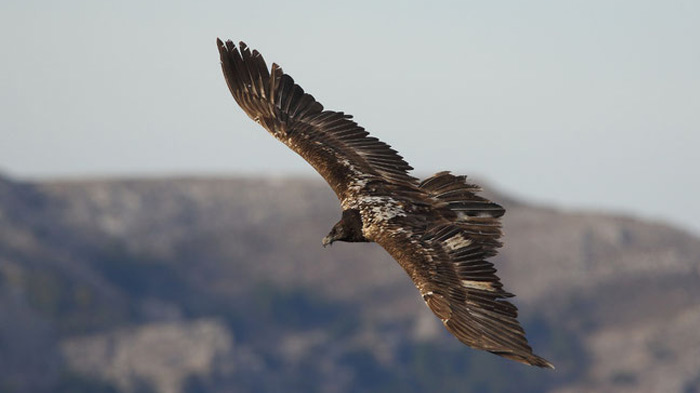
Last month, the Junta de Andalucía discovered three Bearded Vultures situated in the same location at a remote area relatively new to these birds in the Huetor Natural Park in Granada, which raised suspicions. Swiftly after, in the morning of 26 April 2021, many agents and dogs went to the scene and sadly found the carcasses of Jovan and Vainilla. To retrieve the third body, they needed climbers. When the agents managed to access it, they realised it was Trashumancia. All birds were juveniles that hatched in 2019. Jovan hatched in the wild, while Vainilla and Trashumancia in captivity within the Bearded Vulture Captive Breeding Network, coordinated by us at the Vulture Conservation Foundation (VCF) on behalf of EAZA's EEP. Their deaths cause a significant blow to our joint reintroduction efforts in the region.
Jovan's parents were captive-bred and released years ago, and Jovan was one of the few Bearded Vultures that currently hatch in the wild in Andalusia. The other two were released last year to boost the species' local population after many efforts were invested.
Extensive investigation leads to suspect
This serious wildlife crime merited a serious response, and this is what transpired. Thirty agents of the Junta de Andalucía and the Nature Protection Service (Seprona) of the Civil Guard, alongside several dogs and even a helicopter, scoured the scene to investigate the incident. The first inquiries suggest that these three birds — two females and a male —died of poisoning. However, authorities sent their remains to a laboratory in Malaga to confirm the cause of death.
During the investigation, the agents removed the poison from the entire area to prevent more mortality and collected crucial evidence to strengthen the line of investigation. Thanks to their incredible work, they have already identified a possible suspect.
Illegal poisoning incidents deserve an appropriate response
The use of poison baits is an unselective and damaging practise of killing animals and is a severe environmental crime that can cause mass destruction. It rarely gets properly investigated and even more rarely reaches court and a conviction. With this case, our Andalusian colleagues showed their diligence and persistence once again in properly investigating illegal wildlife poisoning. We hope the criminal responsible gets a conviction, something our colleagues achieved in the past for similar cases.
The VCF applauds the efforts of the Junta de Andalucía and everyone else involved and urges authorities elsewhere to follow suit in taking this crime seriously and carrying out the necessary investigations to identify and further persecute wildlife criminals! Andalusia is a world reference in tackling wildlife poisoning.
Through the Wildlife Crime Academy within our BaklanDetox LIFE project, the Junta de Andalucía and the Spanish Ministry for the Ecological Transition and the Demographic Challenge will help transfer their expertise to competent authorities in Balkans and other regions to help fight this threat!
VCF
May 2021
Share this story