Spanish Cinereous Vulture, reintroduced in Bulgaria, probably shot in Hungary
By Vulture Conservation Foundation
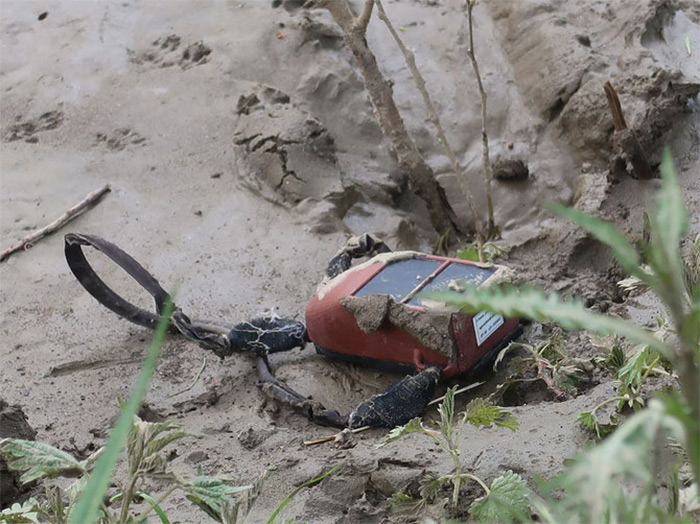
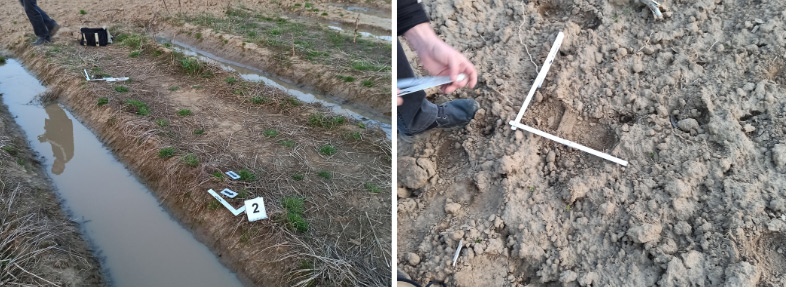
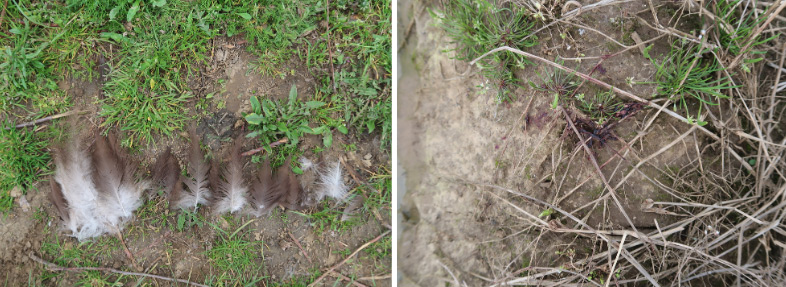
Professionals from PannonEagle Life+ (MME Birdlife Hungary) and Horbágy National Park Directorate were alarmed last week by colleagues from the Bulgarian organisation, Green Balkans, that their GPS tagged Cinereous Vulture was sending suspicious location data. MME's carcass and poison detection unit, in cooperation with the local ranger services of Hortobágy National Park Directorate, managed to locate the GPS tag, which was probably taken off from the bird and thrown to the riverbank. Further field search according to the position data provided additional evidence: feathers and blood marks were found by MME's specialised dog unit, and police were called. Field evidence was recorded, and DNA samples were also collected from the GPS tag, so we hope that the police investigation will be successful and the offender will be convicted in proportion to the committed crime!
Cinereous Vulture reintroduction in Bulgaria
The Cinereous Vulture is one of Europe's four indigenous vulture species, which got extinct from many countries due to persecution and habitat loss. In Bulgaria, the last recorded breeding was observed in the 1950s, and the species was registered officially extinct in 1985. The sporadical nesting, registered by Green Balkans in 1993, proved unsustainable. The Vultures Back to LIFE project provided a huge step for Cinereous Vulture conservation: many dozens of individuals were reintroduced, resulting in the first two breeding pairs in 2021 after many decades.
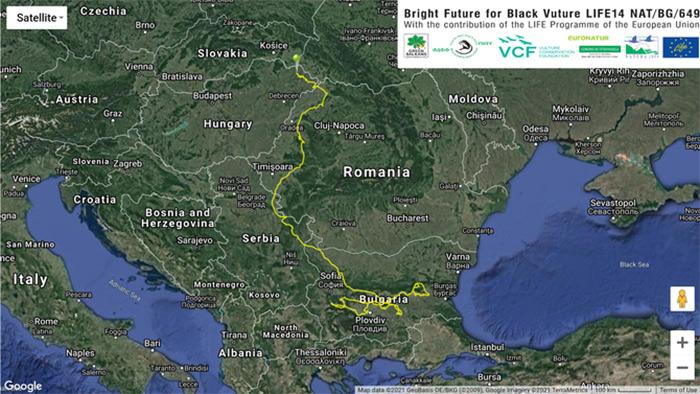
The bird named "Ichera" fledged in Spain in 2019 and got hit by a car in the same year. The bird was rescued and cured by local professionals and transported to Bulgaria in 2020 in the framework of the reintroduction programme, where it was released after half a year of rewilding in March 2021. After the release, the bird was flying long distances: 1 month in Bulgaria and then turning north to Serbia and Romania and finally arriving at East-Hungary, Szabolcs-Szatmár-Bereg county, where it disappeared.
"All released vultures are priceless: they were rescued, rehabilitated, donated and transported by the Government of Extremadura, AMUS and the Vulture Conservation Foundation from Spain to reintroduction in Bulgaria. The project team works intensively to reach their goal while relying on international conservation cooperation. For example, during the bird's stay in Romania, artificial feeding was provided twice, and visual control on the bird's condition was made by the Milvus group NGO, and now in Hungary, MME contribution was crucial," states Simeon Marin from Green Balkans.
Vultures, just like other scavengers, play an important role in our ecosystem. They are capable of consuming large amounts of carcasses, which could potentially prevent outbreaks of pathogens that are endangering both livestock and human health.
4 May 2021
Share this story