Grassland management for Stone-curlew
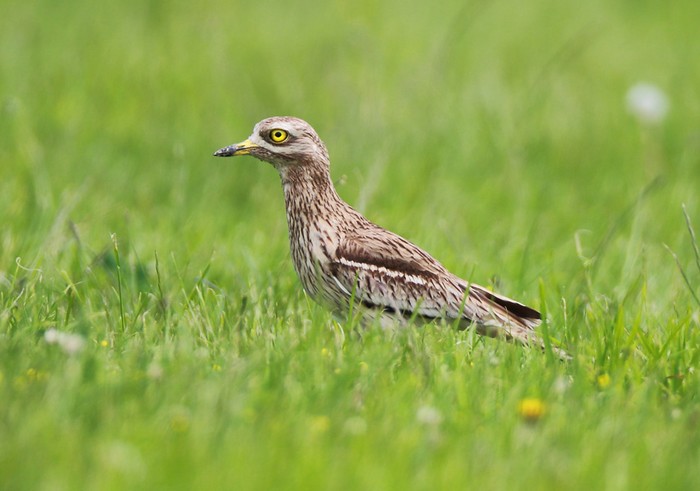
In a new paper in Animal Conservation, Rob Hawkes and colleagues from the University of East Anglia, RSPB and Natural England investigate the daily lives of Stone-curlews nesting in the dry grasslands of East Anglia. By fitting five individuals with GPS tags and following their movements, they were able to establish which habitats are used at different stages of the breeding season. The aim was to understand whether ploughing or harrowing patches of grassland can provide suitable foraging areas, and to establish which other habitats are important.
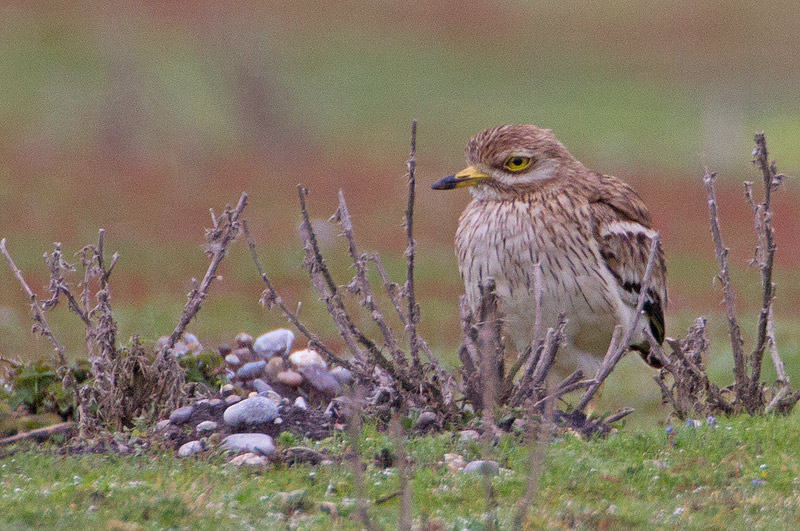
The number of Stone-curlew nesting in East Anglian had dropped to fewer than 100 pairs by 1985 and it took huge conservation efforts to increase this to 200 pairs. Breeding birds are now typically to be found in sparsely-vegetated ground, often in spring-sown crops, on dry heathland or in semi-natural grassland areas, including those used for military training. At night, preferred food items, such as worms, beetles, slugs and snails, are easier to find in areas of bare and broken ground than in thick grass, so grazing is an important part of conservation action on heaths and in grassland areas.
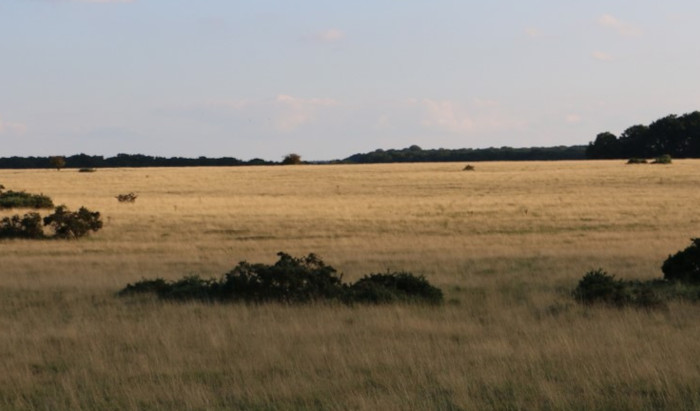
Tremendous efforts have been made to maximise chick production in farmland, with conservation staff and volunteers working with farmers to monitor breeding pairs, so that they can protect nests and chicks during crop-management operations. In the long term, however, such interventions are too labour-intensive to be sustainable. Can Stone-curlews nest successfully in semi-natural grassland, where the costs of conservation subsidies are lower than in intensively-farmed arable fields?
Tracking Stone-curlews
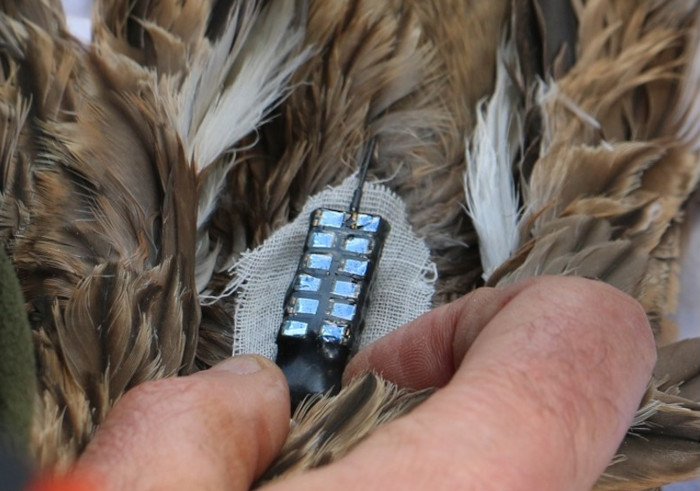
Stone-curlews are predominantly nocturnal feeders so some form of remote tracking device was needed to understand their movements. GPS loggers were fitted to five adult Stone-curlews during the breeding season. Individuals were caught at night using small, beetle-baited, elastic-powered clap-nets or in the daytime using nest-traps.
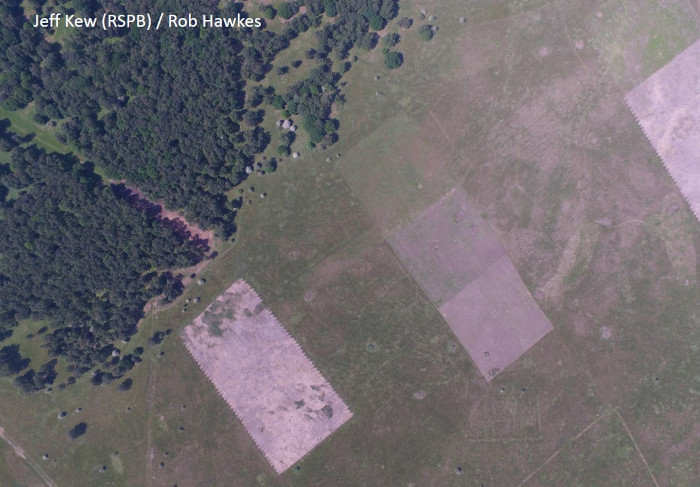
During the nesting period, what was presumably the off-duty bird was found within 1 km of the nest on 90% of fixes. The mean distance from the nest during daytime feeding was about 100 m but tagged birds travelled five times as far at night. Nesting Stone-curlews were two- to three-times as likely to forage in disturbed grassland as in grassland areas where there had been no ploughing or harrowing. They travelled furthest when heading for pig-fields and manure heaps.
In the post-breeding period, tagged birds travelled up to 13 km to forage, with 90% of nocturnal foraging locations found to be within 5 km of day-time roosting sites. Tagged birds were most likely to be found in disturbed grassland or fallow fields, with significant time also being spent in pig fields or on manure heaps. Arable crops, such as sugar beet, were also used more than undisturbed grassland.
Conservation messages
In England, there has been a long-term focus on trying to maximise Stone-curlew productivity within arable farmland, especially in East Anglia but also in Wessex. As suggested earlier, this is expensive – foregone production requires high subsidies and interventions by conservation staff are time-consuming. Given these problems, should conservation efforts focus on supporting and building up grassland populations?
The authors suggest that areas of disturbed-ground can provide a network of nesting and foraging habitats, whilst allowing access to a mixture of feeding opportunities in the surrounding arable farmland. Disturbed plots are not only good for Stone-curlews. Previous studies, conducted by this research team, have demonstrated that disturbed grassland also benefits Woodlark, Eurasian Curlew and rare, scarce or threatened dry-grassland invertebrates.
The paper is not open-access but Graham Appleton has written a WaderTales blog that is a longer version of this article.
Graham Appleton - Wader Tales
March 2021
Share this story