Coffee for the birds: connecting bird-watchers with shade-grown coffee
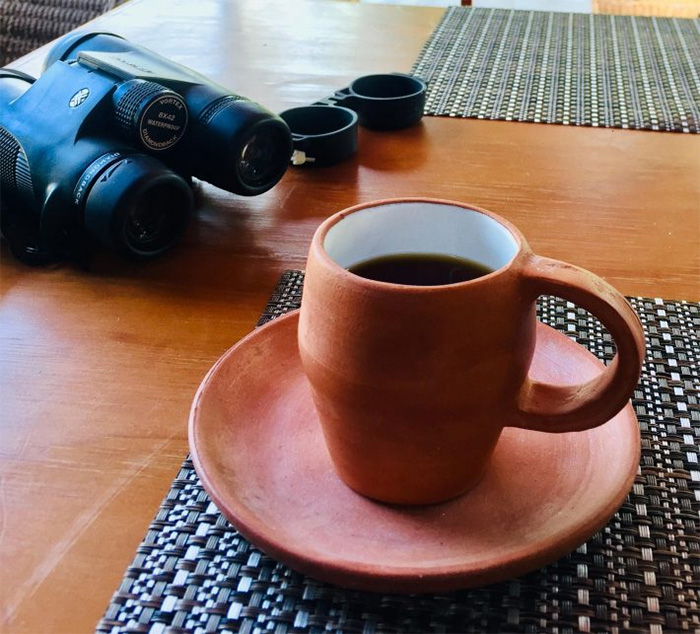
New research that surveyed US bird watchers finds that only a small percentage buy bird-friendly coffee, with awareness being one of the main constraints. The results are published in People and Nature.
Since 1970, bird populations in North America have declined by approximately 2.9 billion birds, a loss of more than one in four birds. Factors in this decline include habitat loss and ecosystem degradation from human actions on the landscape.
At the same time, enthusiasm for bird-watching has grown, with more than 45 million recreational participants in the United States alone. Now, researchers are looking into how to mobilize these bird enthusiasts to help limit bird population declines.
Enter bird-friendly coffee.
Bird-friendly coffee is certified organic, but its impact on the environment goes further than that: it is cultivated specifically to maintain bird habitats instead of clearing vegetation that birds and other animals rely on.
Researchers from Virginia Tech’s College of Natural Resources and Environment, Cornell University, and Columbia University explored whether bird-friendly coffee is on the radar of bird-watchers: are they drinking it and, if not, why not? The study results will be published in the journal People and Nature.
“We know bird-watchers benefit from having healthy, diverse populations of birds, and they tend to be conservation-minded folks,” explained Assistant Professor Ashley Dayer of Virginia Tech’s Department of Fish and Wildlife Conservation. “My colleagues and I wanted to dig into this key audience to determine their interest in bird-friendly coffee.”
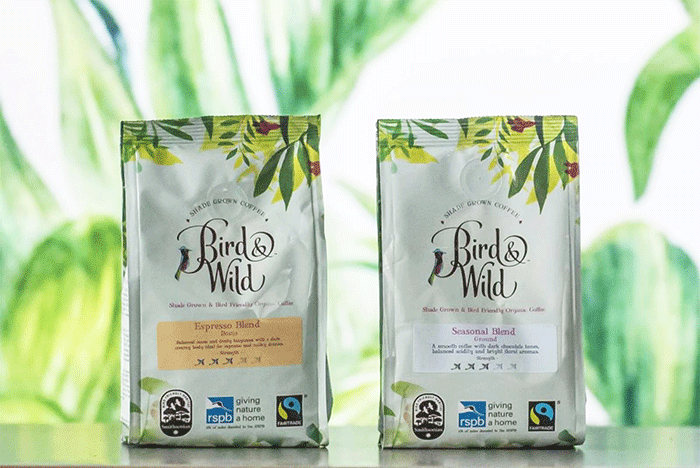
Bird-friendly coffee is shade-grown, meaning that it is grown and harvested under the canopy of mature trees, a process that parallels how coffee was historically grown. But with most farms in Central and South America and the Caribbean converting to full-sun operations, crucial bird habitats for migrating and resident bird species are being lost.
“Over recent decades, most of the shade coffee in Latin America has been converted to intensively managed row monocultures devoid of trees or other vegetation,” explained Amanda Rodewald, the Garvin Professor and senior director of the Center for Avian Population Studies at the Cornell Lab of Ornithology. “As a result, many birds cannot find suitable habitats and are left with poor prospects of surviving migration and successfully breeding.”
Purchasing shade-grown coffee is one of seven simple actions that people can take as a step toward returning bird populations to their previous numbers. “But even simple actions are sometimes not taken by people who you would expect to be on board. Human behavior is complex — driven by knowledge, attitudes, skills, and many other factors,” explained Dayer, an affiliate of the Global Change Center housed in Virginia Tech’s Fralin Life Sciences Institute.
The research team surveyed more than 900 coffee-drinking bird-watchers to understand bird-friendly coffee behavior among bird-watchers.
One of the most significant constraints to purchasing bird-friendly coffee among those surveyed was a lack of awareness, said Alicia Williams, lead author and former research assistant at the Cornell Lab of Ornithology and Virginia Tech. “This includes limits on understanding what certifications exist, where to buy bird-friendly coffee, and how coffee production impacts bird habitat.”
“I was surprised to see that only 9 percent of those surveyed purchased bird-friendly coffee and less than 40 percent were familiar with it,” Williams added. “It was also interesting, though not surprising, that a large number of our respondents reported that the flavor or aroma of coffee was an important consideration in their coffee purchases, which could be a useful attribute of bird-friendly coffee to stress going forward.”
The next step to increasing awareness about shade-grown coffee and its potential impact on bird populations may include increased advertising for bird-friendly coffee, more availability of bird-friendly coffee, and collaborations between public-facing conservation organizations and coffee distributors.
1 April 2021
Read the full paper for FREE : Tapping birdwatchers to promote bird-friendly coffee consumption and conserve birds doi/10.1002/pan3.10191
Share this story