Bye bye Bluetail
Red-flanked Bluetail dropped by the BBRC
In February 2017, as part of the agenda of the British Birds Rarities Committee (BBRC) AGM, the rarity status of several species was considered. Consequently, last week a handful of changes to the list of species considered by the committee were announced; the decision will affect records of the below species from 1st January 2017.
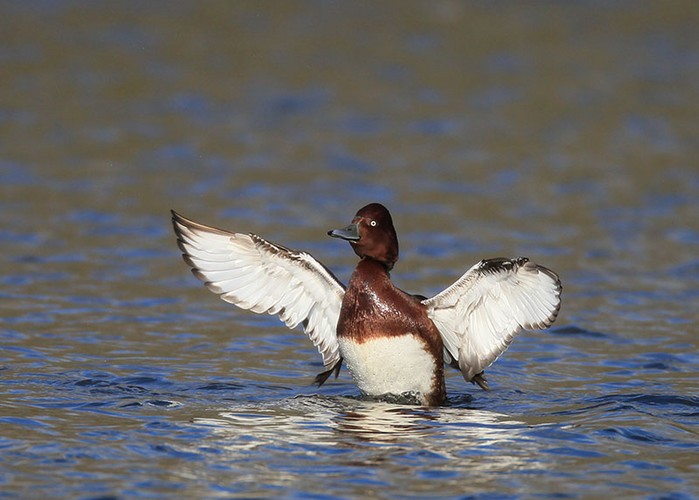
The sole addition to the BBRC list is a readmission, in the form of Ferruginous Duck. Whilst this species occurs annually in low numbers, data from the Scarce Migrant Report, published by British Birds, highlighted a clear decline in records over the ten year period 2005-14. BBRC also noted that the identification pitfalls of hybrid Aythyas, and the issues surrounding provenance, suggested that the species required further scrutiny given to national rarities.
BBRC announced that they are closely monitoring the status of Kentish Plover, but for now this species will remain a non-rarity. The committee considered removing Black Stork from the national rarity list, given there have been 105 records in the last ten years, but with only six years with ten or more records during the same period it was decided to retain the species as a rarity for the time being.
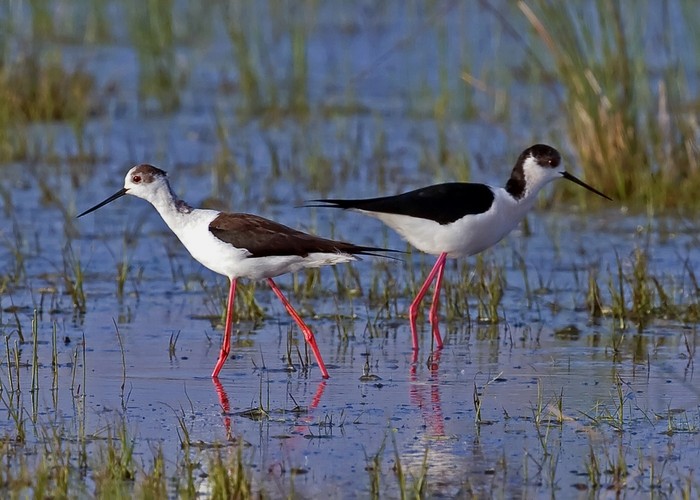
Leaving the BBRC list are Black-winged Stilt and Red-flanked Bluetail. The former decision is not unexpected, with 155 accepted records in the last ten years, as well as regular spring influxes and multiple breeding attempts in recent years.
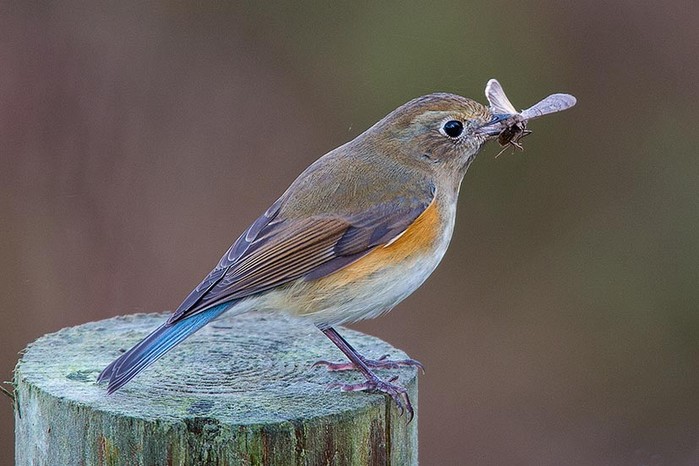
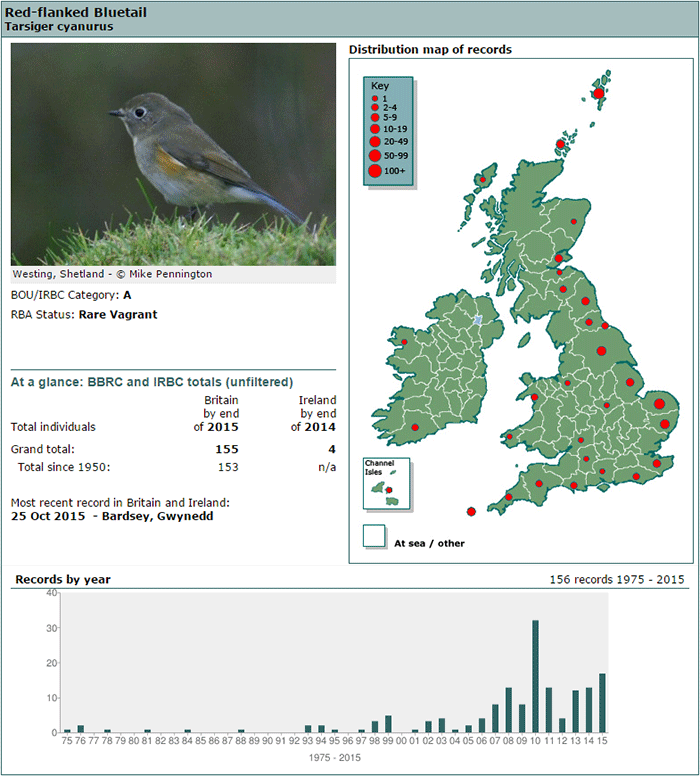
With 148 records over the last ten years, Red-flanked Bluetail also meets the committee’s criteria of ‘more than 100 records in the last ten years, or more than ten individuals in at least seven of the last ten years’. Even younger birders will be able to remember the time when Red-flanked Bluetail was a near-mythical rarity, such is the phenomenal change of the species’ status in recent years. With two records already in 2017 (the wintering bird in Glamorgan and bird at Titchwell, Norfolk, 25th-28th March), the rate of occurrence shows no signs of slowing, so the time has come for Red-flanked Bluetail to lose its rare status.
5 Apr 2017
Share this story