Wildlife Trust loses conservation role at Grafham Water Nature Reserve
A 40-year conservation partnership is set to end in April, with the Trust warning it will no longer manage the site or have staff based there.

What’s changing at Grafham Water
The Wildlife Trust for Bedfordshire, Cambridgeshire and Northamptonshire says it is deeply disappointed that Anglian Water has decided to manage Grafham Water Nature Reserve itself in future, and will no longer be asking the Trust to carry out conservation management.
Anglian Water has told the Trust it is developing its own capability and resources to extend conservation habitats and strengthen visitor services and engagement, including the capacity to manage the nature reserve and fulfil its SSSI obligations.
In the Trust’s statement, Anglian Water is described as having given notice that it will bring management of Grafham Water in-house from April, while stressing the decision is in no way a reflection on the Trust’s dedication, conservation achievements, or management of the site.
The Trust’s disappointment - and what it means on the ground
For the Wildlife Trust, the headline issue is not just the administrative change, but what it represents - the ending of a long, hands-on relationship with a site it has helped shape for more than four decades.
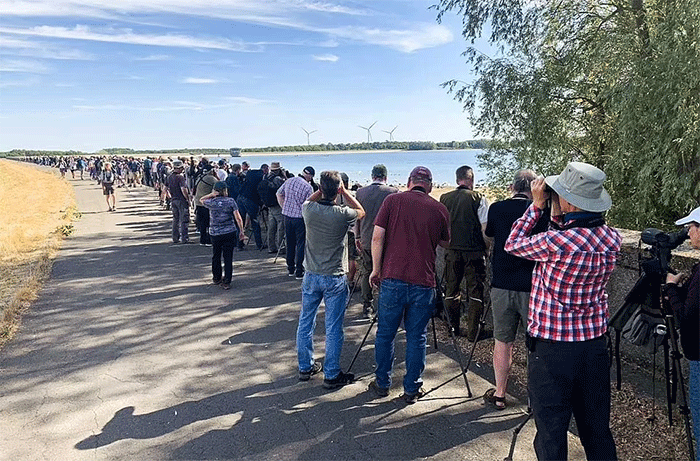
The Trust says the change means it will not be managing the site and will not have its own staff there in future. For many local naturalists, volunteers and regular visitors, that loss of an on-site Trust presence will feel like a significant turning point.
A proud 40-year record - and a tribute to volunteers
The Trust says it has been extremely proud to manage Grafham Water Nature Reserve for more than 40 years, describing decades of work to manage habitats for a huge number of species.
It also placed strong emphasis on the people behind that work, thanking the “many dedicated and caring volunteers” who have worked tirelessly alongside Trust staff over the years, and extending sincere thanks to everyone involved.
What happens next
While the Trust will step away from managing Grafham Water, it says it will continue to work with Anglian Water at Pitsford Water and across various other partnerships and initiatives across the wider Anglian Water business and region.
For now, the Trust’s statement leaves little doubt about the tone of this transition - a change framed by Anglian Water as a shift in approach and capacity, but experienced by the Trust as a deeply disappointing end to a long-standing conservation role at one of the region’s best-known wildlife sites.
January 2026
Get Breaking Birdnews First
Get all the latest breaking bird news as it happens, download BirdAlertPRO for a 30-day free trial. No payment details required and get exclusive first-time subscriber offers.
Share this story