Why Pheasants could be making tick bites more dangerous
Scientists reveal that the release of non-native birds is linked to a sharp rise in disease-carrying ticks in the English countryside.
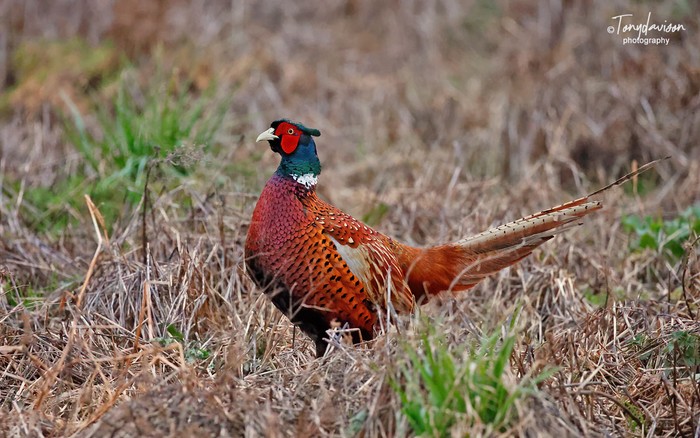
Each summer, around 47 million Pheasants are released into British woodlands for recreational shooting. These colourful but non-native birds are deeply woven into the cultural fabric of the countryside—but they may also be quietly reshaping public health risks. A 2025 study in Ecology Letters reveals that tick-borne pathogens, particularly those causing Lyme disease, are significantly more prevalent in areas where Pheasants are released.
The research team, led by Emile Michels of the University of Exeter, conducted a large-scale field study across 89 woodlands in southwest England. They compared tick abundance and infection rates between pheasant-release woods and nearby control woods with similar ecological conditions but no gamebird introduction. Their findings are striking: ticks in release woods were almost 2.5 times more likely to carry Borrelia species, including B. garinii, which causes neuroborreliosis in humans.
Adult ticks were also somewhat more numerous in release areas, though the difference was not statistically robust. Notably, the study showed a pronounced amplification of B. garinii—a bird-specialist pathogen—while B. afzelii, typically associated with small mammals, showed no such pattern. This suggests that the Pheasants themselves, known to host and transmit Borrelia in experimental settings, are likely responsible for the observed increase in disease prevalence.
These findings are among the strongest yet to support the concept of "spillback," where non-native species amplify the prevalence of native pathogens. While the phenomenon has been suspected, it has rarely been demonstrated with this level of ecological precision and replication.
Whether this heightened disease risk remains localised to game managers and shoot personnel or poses a broader public health concern depends on Pheasant dispersal patterns—currently believed to be limited to a few kilometres. Still, in an era of expanding wildlife-livestock-human interfaces, the study underscores the need to consider disease dynamics when managing introduced species, even those released with long-standing cultural support.
21 April 2025
Share this story