Watch your step and help rare breeding birds
As we start to return to the countryside the RSPB is asking people to follow the countryside code and to stick to paths to avoid disturbing ground-nesting birds.
People have been noticing nature much more during lockdown, as garden birds and other wildlife have helped lift spirits and connect us to the world outside. A recent YouGov survey, commissioned by the RSPB, showed that 41% of participants reported seeing wildlife near their homes that they had never noticed before over the last 12 months.
Almost half of the UK population (44%) have said they have tried to attract nature to their gardens during lockdown but as restrictions ease, the RSPB is keen to highlight that many of our threatened species don’t use gardens and nest boxes when raising young.
Over half of England’s most threatened breeding bird species nest on, or near to the ground; including Curlew, Little Tern, Nightjar and Lapwing.
“If you ask people where bird’s nest, they are likely say a tree, hedge or nest box. It’s an image we’ve all grown up with but for some of our most threatened species it’s simply not true. Almost every natural habitat in the English countryside can be home to ground nesting birds and many of these species are under increasing pressure due habitat loss, predators and climate change. Yet we can all help protect them from disturbance by simply following The Countryside Code and keeping to footpaths.” Sara Humphrey, Communications Manager
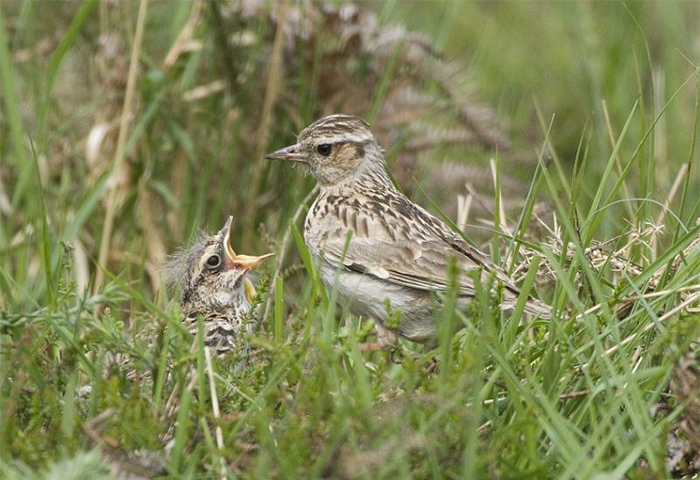
Rare birds like Woodlark and Nightjar nest on heathland sites, which are often popular places to walk, cycle, horseride and picnic. By keeping yourself and your animals to the footpaths, you can help to keep chicks safe. Fire risk can also be very high on heathlands, so pack a picnic rather than a BBQ and take any litter home.
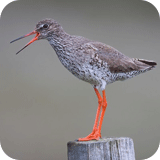
Wetlands and estuary areas are vital for wading species including lapwing and redshank. Coastal areas can be home to beach-nesting birds; Sandwich Tern, Ringed Plover and Oystercatcher make homes near the tide's edge or on off-shore islands.
Watching for nesting bird signage, keeping dogs on leads and backing away if you hear any parents alarm calling can help give these rare birds space to breed.
If you're keen to get back to watersports at this time of year, please watch out for warning signage around the water’s edge, make sure you give sensitive breeding colonies a wide berth and back away if you hear alarm calls.
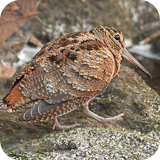
Birds nesting on the ground are at higher risk from predators, which is why the nests and eggs they contain are often extremely well camouflaged. This makes them very hard to see and avoid.
“A Skylark egg can be as small as 17mm across, that’s around the width of a 5p piece. When those eggs hatch, the vulnerable chicks can be just as well camouflaged. If disturbed, a chick’s instinct is often to stay quiet and avoid detection, so if you hear an adult bird calling out in distress or see one trying to catch your attention, back away carefully to help protect nests from harm.” Mike Shurmer, Head of Species for RSPB England.
The RSPB’s conservation scientists have developed methods to help protect nesting birds from environmental threats including climate change, wildfire and sea level rise, which can be delivered through managing landscapes for wildlife. They have seen fantastic results for species including roseate tern and stone curlew; but to protect ground nesting birds across the countryside, everyone can play a part by watching where they step, keeping dogs on leads and following The Countryside Code.
29 March 2021
Share this story