Warmer nights prompt birds to lay eggs earlier
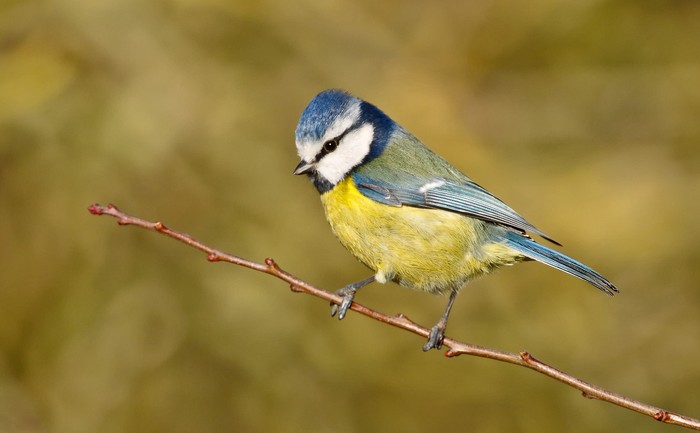
As climate change continues to cause temperatures to rise, the breeding patterns of birds such as blue tits are being altered as evenings in spring get warmer, researchers say.
Previous research has shown that warmer springs have led birds to begin breeding earlier. However, until now, scientists had not identified the key factors that cause this behaviour.
Hatch datesWith increasing spring warming, chicks may begin hatching after periods when caterpillars—their main food source—are most plentiful, scientists say.
Warmer temperatures are causing the peak in caterpillar numbers to occur earlier in the year, and birds like blue tits are responding too, but often not fast enough, the team says.
Nesting sitesA team of biologists from the University analysed data from 40 Scottish sites over a five-year period.
They found that birds decide when to reproduce based on night-time temperatures in springtime. Their findings suggest that colder temperatures may act as a constraint that delays the processes of building nests and laying eggs.
Blue tits were also found to lay eggs sooner if birch trees come into leaf earlier. This is some of the first evidence that birds use trees as a cue for timing breeding. Blue tits may use birch trees as a signal because they come into leaf earlier than other species, the team says.
Breeding behaviourUsing data gained from two national citizen science projects, researchers found that night-time temperature and birch leafing have very similar effects on the breeding behaviour of woodland birds across the UK.
The study was published in Proceedings of the Royal Society B.
22 October 2019
Further reading: Jack D. Shutt et al. The environmental predictors of spatio-temporal variation in the breeding phenology of a passerine bird, Proceedings of the Royal Society B: Biological Sciences (2019). DOI: 10.1098/rspb.2019.0952.
Share this story