


Spurn Bird Observatory offers 12-month conservation internship
Placement provides hands-on experience in migration monitoring, ringing and habitat management at a leading UK bird observatory
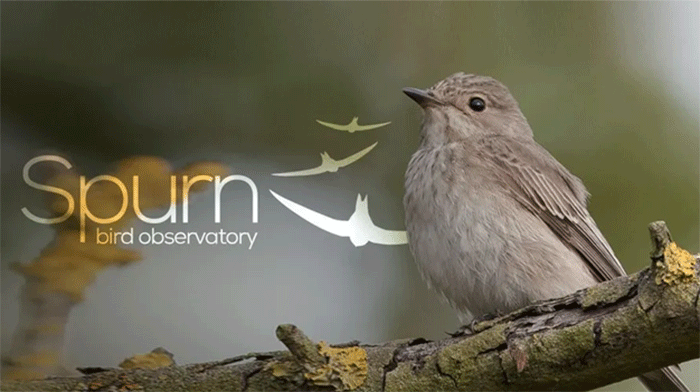
A full year at one of Britain’s top migration sites
Spurn Bird Observatory is offering a 12-month Conservation Intern placement, providing an immersive opportunity for early-career birders and conservationists to gain practical experience at one of the UK’s most renowned migration hotspots.
Set on the narrow Spurn peninsula on the Yorkshire coast, the observatory is ideally positioned for studying bird migration, with the successful applicant able to experience the full sweep of spring and autumn movements alongside quieter but equally valuable winter and breeding-season work.
Wide-ranging field experience
The placement is designed to provide a strong grounding in field ornithology. Day-to-day duties will include assisting with migration recording, participating in regular census work and contributing to long-term monitoring projects that form the backbone of the observatory’s data.
There will also be opportunities to support bird ringing activities, helping to process and record birds safely while gaining insight into age, sexing and moult patterns under supervision.
Beyond birds - practical conservation skills
Alongside survey work, the role will involve practical habitat management across the Spurn peninsula. This may include maintaining key habitats for migrants and breeding birds, as well as supporting wider conservation objectives on the reserve.
The placement is intended to give a well-rounded experience, blending scientific monitoring with hands-on conservation - skills that are increasingly important for those looking to build a career in the sector.
Life at a working observatory
Interns will become part of the day-to-day running of the observatory, gaining insight into how one of the UK’s key bird monitoring sites operates. This includes working alongside experienced staff and volunteers, as well as engaging with visiting birders during busy migration periods.
The role is likely to appeal particularly to those looking to develop their identification skills, as Spurn regularly records a wide range of scarce and rare migrants alongside common species.
Building a pathway into conservation careers
Placements such as this provide an important stepping stone for those entering the conservation sector. A full year in the field allows interns to build experience, develop confidence in bird identification and data collection, and gain practical skills that are highly valued by employers.
For many, time spent at a bird observatory provides not just technical knowledge, but also a deeper understanding of migration ecology and the challenges facing birds along our coasts.
Applications are open now and will close on Sunday 19th April 2026 at 23:59pm.
For full information on the internship and how to apply visit here.
April 2026
Get Breaking Birdnews First
Get all the latest breaking bird news as it happens, download BirdAlertPRO for a 30-day free trial. No payment details required and get exclusive first-time subscriber offers.
Share this story





