Solar deal powers up RSPB nature reserves
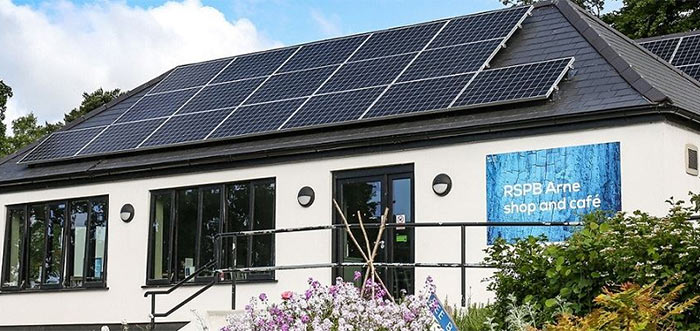
The RSPB is planning to install over 700 solar panels across seven nature reserves and is expecting the panels will provide up to 80% of the sites’ annual energy.
A new finance deal with Triodos Bank will make the renewable energy projects possible.
The panels, which will be located at nature reserves including flagship Minsmere, the Lodge and Bempton Cliffs sites, will provide an estimated 10% of the energy the RSPB uses in total each year.
Not only will the solar panels save the RSPB a significant sum on its energy bill, but they will also provide income from selling energy back to the grid.
Any additional electricity is purchased on a green tariff.
The RSPB has also used the £710,000 loan to install a new biomass boiler at Old Moor and deploy energy-efficient LED lighting across 10 office locations.
The new measures are part of the RSPB’s ongoing sustainability programme, with the organisation aiming to generate at least 50% of the energy that it uses from sources on its own estate by 2020, with ambitions to become carbon-neutral in the future. It has already taken steps in lowering its own environmental impact – with wind turbines at two reserves and its headquarters, which also boasts a 95% recycling rate.
The deal with Triodos Bank, Europe’s leading sustainable bank, enables the RSPB to focus its charitable donations from the public into live conservation projects, while the repayments of the renewable energy projects are paid for by ongoing energy bill savings, plus payments from electricity generation over a 20-year period.
Ruth Davis, Deputy Director - Global Conservation at the RSPB, said: “We are all becoming more aware of the growing threat climate disruption poses for people and nature. As an environmental body, we have adopted targets to drive reductions in our carbon footprint, including through energy efficiency and generating energy at our nature reserves.
“I am delighted that we have been able to achieve this through our developing Conservation Investment Programme, with the support of Triodos and Environmental Finance.”
Triodos Bank lends solely to organisations delivering social, environmental or cultural impact. It has financed hundreds of renewable energy projects in Europe, and in the UK, financed a further 15 projects in 2018 to support businesses and communities in building wind turbines, solar farms, ground source heat pumps and hydropower schemes.
Phillip Bate, senior relationship manager at Triodos Bank UK, commented: “We are really proud that RSPB has chosen us to be its partner to finance this project. Our values and mission as a bank align well with its work protecting and restoring habitats, while helping the UK’s bird species to thrive.
“Efforts from all organisations to reduce their carbon footprints should be encouraged and we are pleased to help the RSPB take steps in reducing its own environmental impacts.”
The solar panel installations have been carefully located to avoid impacts on nature.
Assessments have been carried out to ensure there are no impacts on specially protected species. Some panels are roof mounted on reserve buildings, others on car park canopies.
The panels at Minsmere are ground mounted on a bank beside the car park; the shelter they provide is likely to attract the rare antlion to dig small pits in the ground under the panels to trap prey. It has the potential to create one of the largest colonies in England.
4 June 2019
Share this story