Ringed Plover Chick Mistakenly ‘Rescued’ at Rye Harbour Reserve
Well-meaning visitors removed a mobile Ringed Plover chick from the shingle beach, underscoring ongoing challenges in managing disturbance among waders
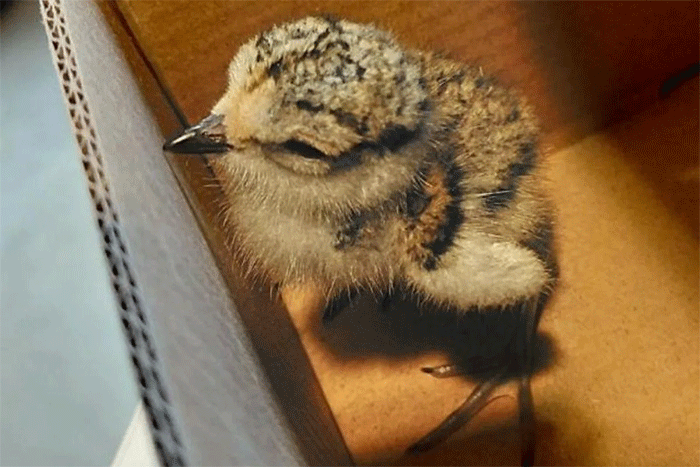
An unexpected arrival
Staff at Rye Harbour Nature Reserve were surprised when two visitors arrived last week with a Ringed Plover chick, believing it to be abandoned. Reserve manager Emma Carter (Sussex Wildlife Trust) reflected: “We routinely see chicks exploring the shingle long before they’re fully grown—and they can look unsettlingly alone from a distance. Despite the best intentions, removing them is seldom the right course.”
Quickly reassured that the birds were behaving normally, staff returned the chick to the beach. Carter added: “Even minutes away from its parents can cause confusion and stress. These precocial chicks don’t require rescue—what they need is space.”
Wader breeding ecology in focus
Ringed Plovers at Rye Harbour typically hatch and leave the scrape within hours, becoming self-feeding fluffs under the watchful eye of one or both adults. Although seemingly unattended, adults often remain nearby, ready to alarm-call or brood at the first sign of threat.
Senior wader conservation officer Marco Hales noted: “This is a recurring issue at breeding sites. Well-meaning visitors misinterpret normal chick behaviour—especially on heavily trafficked beaches where visitor-wildlife encounters are inevitable.”
Broader conservation implications
Rye Harbour is managed by Sussex Wildlife Trust and supports nationally significant numbers of breeding Ringed Plover, Oystercatcher, Avocet and other waders. Despite protective measures, disturbance remains a constant threat to nesting success, with ground-nesting species particularly vulnerable to trampling, predation and inadvertent interference.
As Carter explains, “The gains made through habitat restoration and predator management can be undermined by simple interference. We rely on birdwatchers and photographers to help protect these shorelines by observing, not handling.”
August 2025
Share this story