Reintroduction of Great Green Macaws boosts wild population
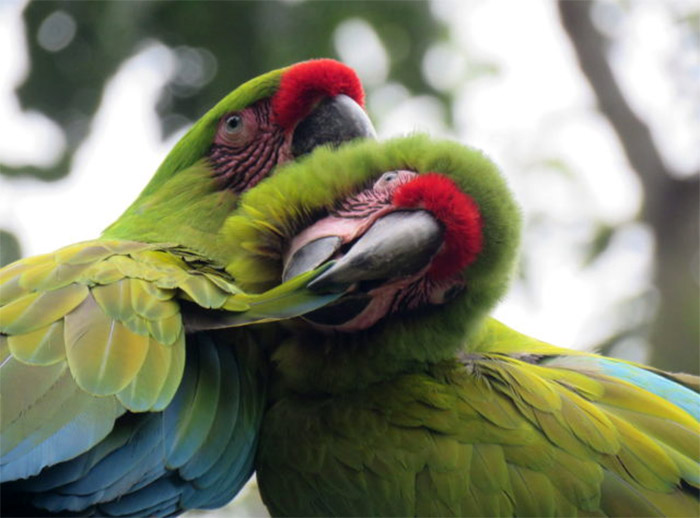
Since 2017, Fundación Jocotoco has released a total of 14 Great Green Macaws (Ara ambiguus guayaquilensis) into their Ayampe Reserve in Ecuador, to help the survival of this critically threatened sub-species of Great Green Macaw. This emblematic project is possible thanks to the support of Loro Parque Fundación, Fundación de Rescate Jambeli and the Las Tunas community.
Great Green Macaws have disappeared from the Ayampe region some 50 years ago, as a result of loss of its forest habitat to agriculture and ranching and also from the illegal collection for the pet trade. The total number of this species, the second largest macaw in the world (the Hyacinth Macaw is the largest), are thought to be less than 3,500. They feed on seeds, fruits, hard-shelled nuts, and flowers, and will move through the landscape in search of fruiting trees; they are particularly partial to the Pechiche tree, which provides food and nest sites across much of its range in Ecuador. These birds have a great importance on the ecosystem because they help to promote the natural regeneration through seed dispersal.
The release of the six additional individuals on 10 May 10 is the third Great Green Macaw release event and another milestone following three years of collaboration between Fundación Jocotoco, Fundación de rescate Jambelí and Loro Parque Fundación. The video below explains the lengthy process of from chick to release,
World Land Trust
17 June 2019
Share this story