Parisian House Sparrow decline appears to have stabilised after years of losses
New monitoring data suggests the long decline of the House Sparrow in Paris may have slowed since 2014, although numbers in the French capital remain far below historic levels.
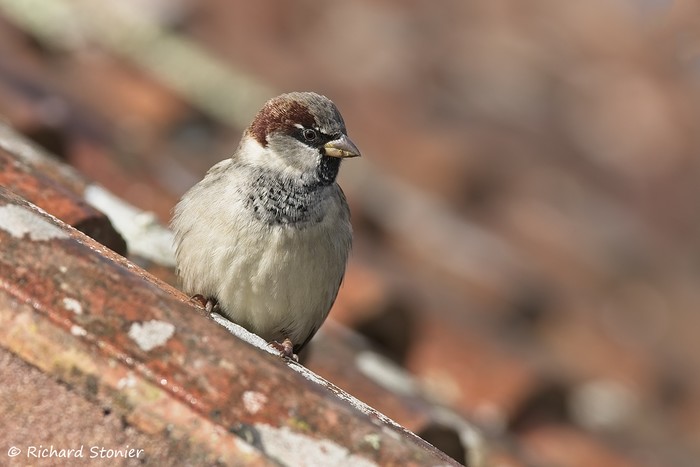
After decades of sharp declines, Paris’s population of House Sparrows may finally be showing signs of stabilisation, according to a report highlighted by Ornithomedia.
The familiar urban bird suffered major losses in the French capital during the late twentieth and early twenty-first centuries, mirroring declines seen in many large European cities. Concerns over the disappearance of the once-common species led to increasing monitoring efforts in Paris during the 2000s.
Previous studies showed that House Sparrow numbers in Paris fell dramatically between 2003 and 2016, prompting fears that the species could largely vanish from parts of the city altogether. However, more recent data suggests that the decline may have levelled off over the last decade.
According to figures discussed by Ornithomedia, monitoring since 2014 indicates that populations have remained relatively stable in several areas of Paris, rather than continuing the steep downward trend seen previously.
Although this apparent stabilisation has been welcomed, numbers remain significantly lower than they were historically. The House Sparrow, once one of the most abundant birds in Parisian streets, squares and parks, is still far less common than it was just a few decades ago.
Researchers believe a combination of factors contributed to the earlier declines. Modern building renovation has reduced nesting opportunities, while changes in urban landscaping and reductions in insect abundance may have affected breeding success. Air pollution, noise and changing food availability have also been investigated as possible contributing pressures.
The slight improvement in recent years may partly reflect measures taken to improve urban biodiversity in Paris, including greener public spaces and increased awareness of wildlife-friendly building practices. However, scientists caution that it is still too early to conclude that the species has fully recovered or that populations will continue to improve.
House Sparrow declines have been reported across many European cities, including London, Brussels and Prague, though trends vary regionally. In some rural areas, populations have also fallen because of changes in farming practices and reduced food availability.
Despite its familiarity, the House Sparrow has become an important indicator species for urban biodiversity, with its fortunes often reflecting the wider health of city ecosystems.
May 2026
Get Breaking Birdnews First
Get all the latest breaking bird news as it happens, download BirdAlertPRO for a 30-day free trial. No payment details required and get exclusive first-time subscriber offers.
Share this story