Overall benefits for birds from restoring native woodland
RSPB research in Scotland suggests that native woodland plantations could have overall benefits for some breeding birds - but care should be taken not to squeeze out important species of open ground.

The study, published in the journal Biological Conservation, looked at the breeding bird communities in native woodland plantations and nearby open moorland in Highland Perthshire.
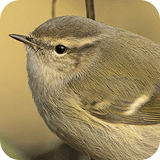
Overall, more bird species were present in native woodland plantations relative to moorland and the number of species increased with the age, height and cover of the woodland present.
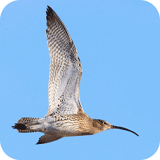
Many songbird species were also more common in woodland than on moorland, but the Meadow Pipit, which favours open moorland, is expected to lose out through woodland creation. Meadow Pipits are of conservation concern due to population declines and are listed as globally Near-Threatened by the IUCN. The UK supports globally important breeding populations of the Meadow Pipit and some other open-ground species including the Eurasian Curlew, so impacts from woodland creation on these species should be minimised.

Researchers concluded “Native reforestation of open ground offers net gains in bird species richness but could disbenefit open-ground birds including those of conservation concern. Where retention of open-ground species is desired, landscape-scale reforestation should consider both woodland and open-ground wildlife.” This new research therefore emphasizes that serious thought must be given to how to minimize impacts on open-ground biodiversity of high conservation importance.
The Scottish Government has set ambitious targets to create 12,000 to 15,000 hectares of new woodland annually until 2032 and wishes to increase Scotland’s woodland cover to 21% of land area. This has the potential to deliver on climate change and biodiversity targets but a large proportion of this newly created woodland is comprised of non-native tree species.
RSPB Scotland’s Head of Land Use Policy Vicki Swales said: “Increasing the area of woodlands has a key part to play in helping Scotland’s wildlife as well as tackling climate change. Native woodlands can be a fantastic home for birds and many plants, insects and mammals. But this research shows that careful attention will have to be paid to what trees are planted and where; we need the right trees in the right places. For some of our most important birds maintaining open moorland and not planting trees there remains key.”
Dr David Douglas, lead author of the research said: “Creating native woodland on moorland should increase the overall number of bird species using these areas, but birds that are adapted to open ground are likely to lose out. We only studied native woodland but we know that in Scotland, a large amount of new woodland currently being created is commercial plantation forestry dominated by non-native species. We urgently need to understand where to place new woodland – whether native or non-native tree species - to minimise the impacts on important open ground biodiversity.”
10 March 2020
Share this story