Orchids thefts in Suffolk and Warwickshire
Police in Suffolk and Warwickshire are are appealing for witnesses after orchids were dug up and stolen.

Yellow Early Marsh Orchids were taken from a Suffolk Wildlife Trust nature reserve in North Suffolk at some point between Tuesday 1 June and Friday 4 June and again between Thursday 10 June and Monday 14 June. The plants were growing alongside a footpath were dug up and stolen. Two of these plants were stolen.
Orchids are protected under the Wildlife and Countryside Act along with all other native wild plants and bulbs. This means it is an offence to intentionally uproot any wild plant unless authorised to do so.
Anyone who has knowledge of the theft or has been offered them for sale should contact Suffolk police, quoting crime reference 37/38070/21
In a second incident Warwickshire’s Rural Crime team are appealing for information after Green-winged Orchids were dug up at Draycote Meadows near Rugby.
Police said: "These lovely flowers bloom in May and June and are rare wild flowers which are classified as near threatened. Some of the orchids have been dug up and removed from the site causing concerns for the conservation of these flowers at the meadow. The flowers need specific growing conditions and are very unlikely to survive if removed."
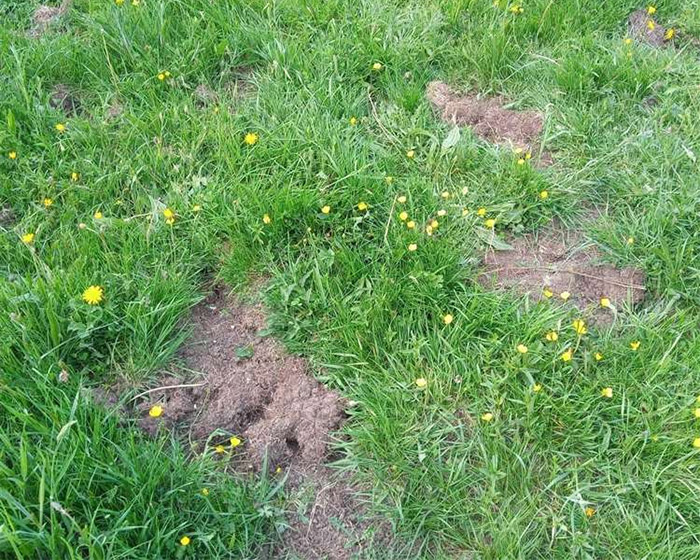
“Draycote Meadows is a site of special scientific interest and is therefore a protected site. The flowers themselves are afforded protection under the Wildlife and Countryside act 1981 which makes it an offence for an unauthorised person to uproot any wild plant.”
“If you have information surrounding this incident please contact Warwickshire police on 101 quoting incident number 455 of 1st June 2021.”
21 July 2021
Share this story