Nottinghamshire reserve closed once more due to flooding
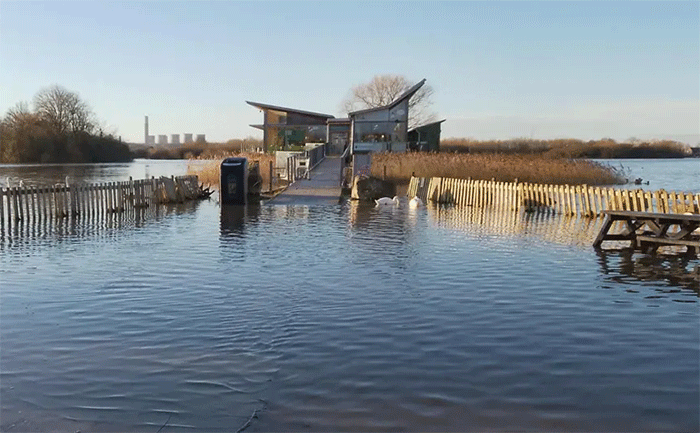
A well-known nature reserve has expressed concerns that the recent heavy rainfall may adversely affect its wildlife in the long term. The Attenborough Nature Reserve, located near Beeston in Nottinghamshire, was closed to visitors for two days earlier this week due to flooding on the footpaths within and around the park. This closure coincides with widespread flooding that has disrupted areas in Nottinghamshire and throughout the East Midlands.
A representative from Nottinghamshire Wildlife Trust, which manages the reserve, indicated that the team is bracing for "challenging" times ahead as adverse weather patterns persist. Last year, the site experienced closures on eight occasions due to weather-related issues, and there have already been ten closures in 2023. Erin McDaid from Attenborough Nature Reserve remarked on the troubling trend of early-year closures, stating, "Weather like this used to be an exception, but now it's happening multiple times a year." He added that they are strategizing for the future and exploring ways to adapt the site to better withstand these conditions.
Mr. McDaid expressed concerns that severe weather conditions could pose a risk to local wildlife. He noted, "As water levels increase, small mammals like moles and shrews may be displaced from their burrows and other habitats." He further explained, "This situation creates a ripple effect for their predators, such as barn and short-haired owls, which will need to seek alternative hunting grounds. We may begin to observe a decline in their populations."
The impact extends beyond wildlife; when flooding necessitates the closure of the site, both the visitor center and parking facilities are also shut down, which Mr. McDaid indicated is detrimental to the park's financial health. He remarked, "The reserve is open to the public at no charge, so when our revenue streams are interrupted, it places us in a difficult situation. The hospitality industry is currently facing challenges, and we are experiencing those pressures alongside the frequent closures."
While he acknowledged the team's positive outlook at the reserve, he admitted, "This ongoing issue is taking a toll on us. This site is cherished by many, and we always strive to ensure public access."
9 January 2025
Share this story