


New US rule removes protection from unintended killing of endangered birds
The new interpretation could shield logging and construction that foreseeably kills listed wildlife, although conservation groups say it conflicts with the Endangered Species Act and Supreme Court precedent.
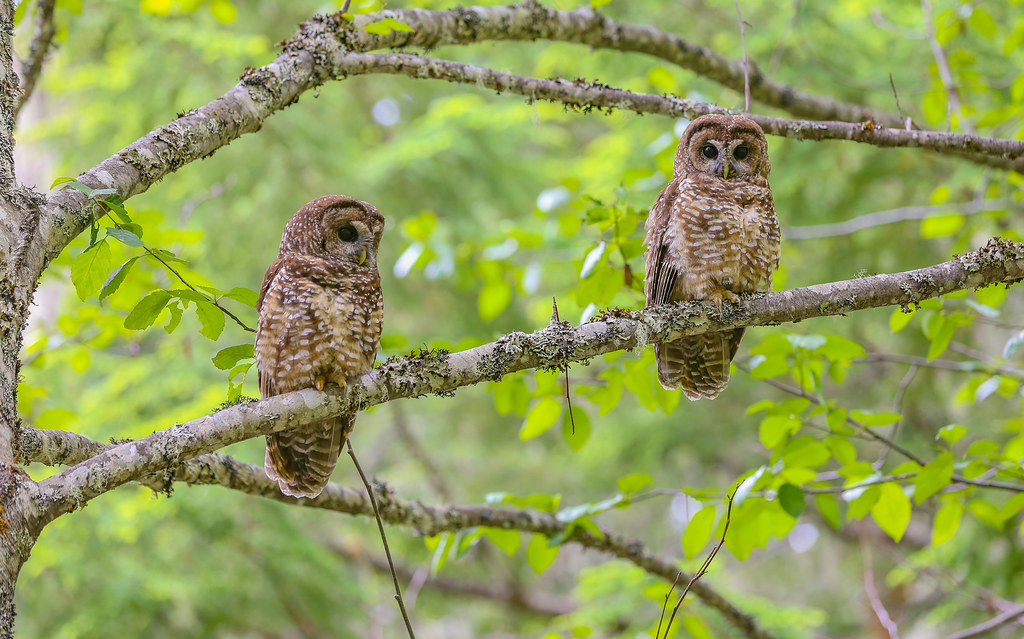
The US Fish and Wildlife Service has adopted a new interpretation of the Endangered Species Act under which killing a protected animal will generally count as an unlawful "take" only when the act was intentionally directed at that animal.
The approach was set out in a 14 September directive from agency director Brian Nesvik. It could mean that a listed bird killed during logging, construction or another activity is not treated as unlawfully taken when its death was foreseeable but was not the purpose of the work.
The Act defines take through a series of terms including harass, harm, pursue, hunt, shoot, wound, kill, trap, capture and collect. For decades, federal enforcement and permitting have also covered incidental deaths arising from otherwise lawful activities.
Under the new test described by the administration, an act must be intentionally and purposefully directed at a particular animal and have a direct and immediate effect. The stated intention behind an activity therefore becomes central to whether the death of protected wildlife is prohibited.
That distinction has direct implications for birds. Felling a tree containing a nesting protected bird, for example, could fall outside the interpretation if the purpose was to harvest timber rather than kill the animal. Critics say it would remove the incentive to avoid or mitigate deaths that can be predicted in advance.
The directive follows a separate regulatory change that removed habitat modification from the federal definition of "harm" under the Act. The Interior Department says its changes restore the ordinary meaning of the statutory language, provide certainty for landowners and curb regulatory overreach.
Conservation organisations argue that the interpretation goes far beyond the July rule and attempts to alter enforcement through a non-binding internal memorandum. They have also pointed to the US Supreme Court's 1995 decision in Babbitt v Sweet Home, which upheld a broader understanding of harm and rejected an intent requirement in the circumstances before it.
Existing prohibitions on intentionally hunting, shooting, trapping or killing protected wildlife remain in place. Other federal and state laws may also apply, while some developers may continue seeking incidental-take permits to reduce legal uncertainty.
The policy is unlikely to be the final word. Earlier Endangered Species Act changes are already facing court challenges, and opponents have indicated that the latest interpretation will also be contested. Judges will ultimately determine how far an agency memorandum can narrow liability created by the statute.
Until then, the directive marks a major change in how federal officers are being told to enforce one of the United States' most important wildlife laws. Its practical effect will depend on agency decisions, future permitting and the outcome of litigation over whether unintended but foreseeable killing remains protected conduct.
24 Sep 2026
Get Breaking Birdnews First
Get all the latest breaking bird news as it happens, download BirdAlertPRO for a 30-day free trial. No payment details required and get exclusive first-time subscriber offers.




