Mute Swans account for half of Britain's latest wild-bird H5N1 detections
Mute Swans accounted for 18 of 35 wild birds testing positive for H5N1 in the latest reporting period. The assessment puts the risk to wild birds in Great Britain at very high.
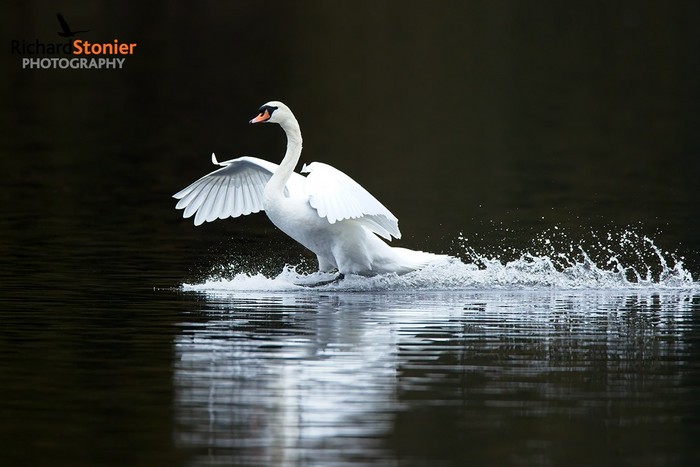
Of the 35 wild birds found dead in Great Britain and confirmed with H5N1 between 11 and 19 November, 18 were Mute Swans. Cases in resident waterfowl included birds on inland waters, while the species testing positive this season also include migrating ducks and waders. The latest government assessment puts the risk to wild birds in Great Britain at very high, up from high.
Defra and APHA dated the assessment 19 November and published it on 24 November. Across the longer period since the previous assessment on 6 November, surveillance recorded 58 additional wild-bird detections of highly pathogenic H5. Inland English waterfowl cases included records in Berkshire, Cambridgeshire, Leicestershire, Warwickshire and Northamptonshire.
Waterfowl accounted for 23 of the 35 H5N1 detections. In addition to the Mute Swans, the breakdown was one Whooper Swan, two Greylag Geese, one Pink-footed Goose and a Wigeon in Norfolk. Only three species of waterfowl had been reported with infection by early November. Across wild birds as a whole, weekly confirmed cases rose from 13 in the second week of November to 35 in the third.
“There is now overwhelming evidence of a national disease process in wild birds across Great Britain.” Defra and the Animal and Plant Health Agency, 19 November assessment
The assessment also records detections in waders in Britain and elsewhere in Europe, including Sanderling, Turnstone and Curlew. The authors stop short of inferring a change in the species affected between seasons. Reports from the Netherlands, Germany, Denmark and Belgium have generally preceded the British increase, with migratory ducks featuring in the northern European records.
A second subtype, H5N5, continued to be detected in northern Britain. The report identifies four Great Black-backed Gulls in Northumberland and a Golden Eagle in the Scottish Highlands. These are separate from the 35 H5N1 detections. The dataset is based on passive surveillance of birds found dead: access, carcass persistence and reporting effort limit comparisons between localities and species.
Of the 113 dead wild birds tested over 11–19 November, 35 were positive for H5N1. That is a testing yield, not a prevalence estimate for the wild population. In Great Britain dead wild birds can be reported to Defra and APHA with the location, species and number found. The agencies advise against touching carcasses; not every report results in collection.
26 November 2026
Get Breaking Birdnews First
Get all the latest breaking bird news as it happens, download BirdAlertPRO for a 30-day free trial. No payment details required and get exclusive first-time subscriber offers.