Hummingbirds thrive in innovative Mexico gardens
In a dimly lit corner of a bustling market in Mexico City, vendors of amulets, voodoo dolls and other mystical objects sell tiny, taxidermied hummingbirds as charms to bring luck in love.
Sold for 2,000 pesos (about $100) each, the lifeless corpses are a symbol of the threats faced by hummingbirds, which are known for their speedy wings, delicate beauty and key role in pollination.
Those threats, which also include climate change, have led Mexico's largest university, UNAM, to launch an ambitious project to monitor and protect hummingbirds with urban gardens.
"Hummingbird gardens are, biologically speaking, the best strategy in big cities to conserve the species," says researcher Maria del Coro Arizmendi, who heads the project.
She got her inspiration from former US first lady Michelle Obama, who included a variety of flowers in her famous White House garden to attract bees—another threatened pollinator.
The university's hummingbird gardens feature specialized feeders as well as brightly coloured, tubular flowers that attract the birds, which are known for hovering in the air as they drink their nectar, flapping their wings up to 200 times per second.
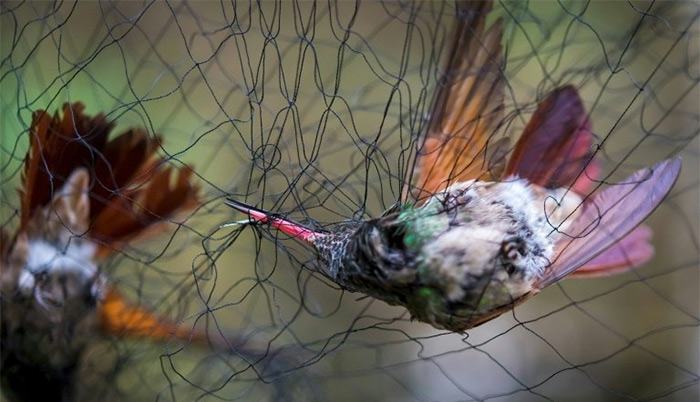
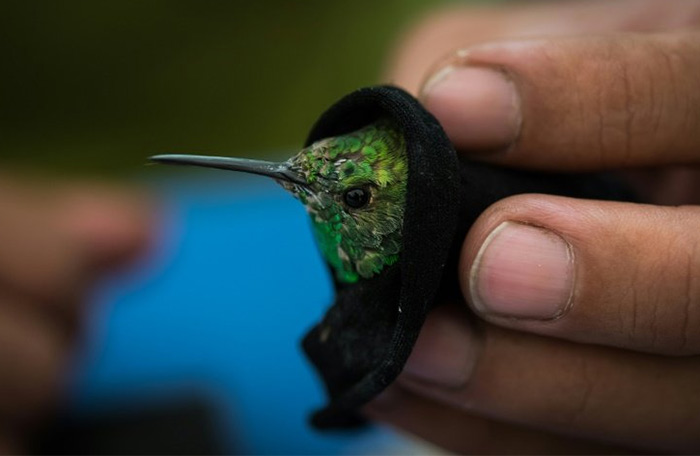
The gardens also have nets so scientists can capture the birds, tag and release them, enabling researchers in Mexico, the United States and Canada to track their migration patterns and monitor the impact of climate change.
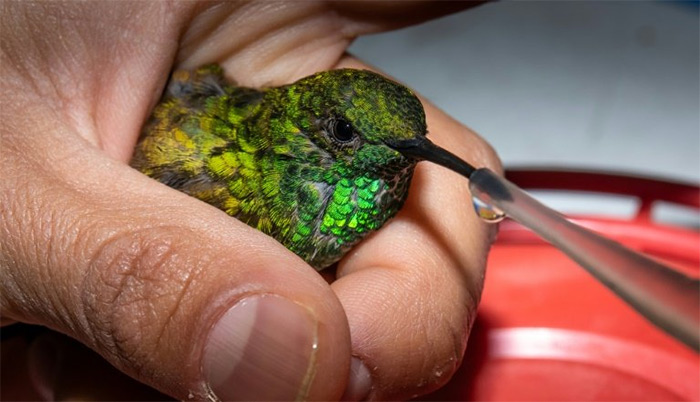
Delicately holding the minute birds in their hands, Arizmendi and her fellow researchers fit them with tiny aluminium anklets, inscribed with ID numbers so small they can only be read with a magnifying glass.
Launched in 2014, the project now has five gardens around the Mexico City metropolitan area, and has inspired private citizens to create dozens of others—all of which help feed hummingbirds on their long migratory route, which stretches from Alaska to South America.
"You don't have to live in the White House. It doesn't matter if you have a big yard or just a flower pot. If people attract and feed these birds, using whatever space they have, it contributes enormously to conserving the species," says Arizmendi.
Mexico City has 17 of the world's 330 hummingbird species. Of those, one is threatened, one is endangered and one is critically endangered: the short-crested coquette (Lophornis brachylophus).
12 Dec 2018
Share this story