Great Indian Bustard releases continue after an early loss
One of the first four captive-bred birds was taken by a Desert Fox, testing a programme that expects difficult lessons as it rebuilds wild survival skills.

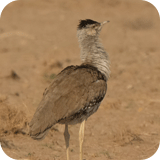
India's first releases of captive-bred Great Indian Bustards are continuing after one of the initial four birds was killed by a Desert Fox, an early loss that project scientists say was expected in a difficult rewilding process.
Mongabay India reported on 6 November that four six-month-old males had been released in Rajasthan's Desert National Park during October. The remains of one were found on 17 October, days after its transmitter stopped moving.
The pilot marks a transition from building a captive population to testing whether hand-reared birds can survive unaided. The Critically Endangered species has been reduced to roughly 150 wild birds, mostly in Rajasthan, after losing habitat and suffering collisions with power lines.
"The six-month cut-off is ideal because the birds reach 70-75% of their adult size and gain flight capability."
Sutirtha Dutta, Wildlife Institute of India
The national government release issued before the first birds went free said the two breeding centres held 97 Great Indian Bustards: 40 originating from wild-laid eggs and 57 bred in captivity. Eleven had been earmarked for release.
Twenty-nine chicks were produced in 2026, following 24 in 2025. Birds selected for release spent months in a rewilding aviary learning to find natural food and respond to conditions beyond their breeding enclosures. Satellite tags allow teams to follow their movements.
Predation is not evidence that the fox population should be removed. Dutta and Rajasthan officials rejected reports that dens would be destroyed, arguing that encounters with native predators are part of restoring wild behaviour. Scientists estimate that first-year post-release survival may be only about 20-30%.
The programme is controversial precisely because every loss matters when the wild population is so small. Earlier in 2026, a chick hatched in Gujarat after a captive-laid egg was placed in a wild nest disappeared and was presumed predated, although no remains were recovered.
Predators are only one pressure. Overhead power infrastructure remains a major collision risk, while mining, roads, fencing and habitat fragmentation affect the open grassland the birds require. The government says about 200 square kilometres of fenced grassland enclosures have been established inside Desert National Park, alongside wider restoration and threat mitigation.
The releases are an experiment rather than proof of recovery. Four birds provide too little evidence to estimate survival, and captive breeding cannot compensate for an unsafe landscape indefinitely. The value of the pilot lies in documenting behaviour, causes of mortality and changes needed before larger cohorts are released.
Transparent reporting of every release and loss will be essential.
Further releases will therefore test both the birds and the programme's willingness to adapt. Success will require some captive-bred birds to survive, mature and join a breeding population while the power-line and habitat threats facing wild Great Indian Bustards are reduced.
10 Nov 2026
Get Breaking Birdnews First
Get all the latest breaking bird news as it happens, download BirdAlertPRO for a 30-day free trial. No payment details required and get exclusive first-time subscriber offers.