From Puffin, to next to nothin'?
Few wild bird species can claim the title ‘iconic’, but the Puffin is undoubtedly near the top of a select list that has rightly earned that, often-overused, epithet.
Much loved as it may be, research from the British Trust for Ornithology (BTO) sadly predicts that Puffins in Britain and Ireland will likely decline significantly by 2050, as the result of future changes to the climate.
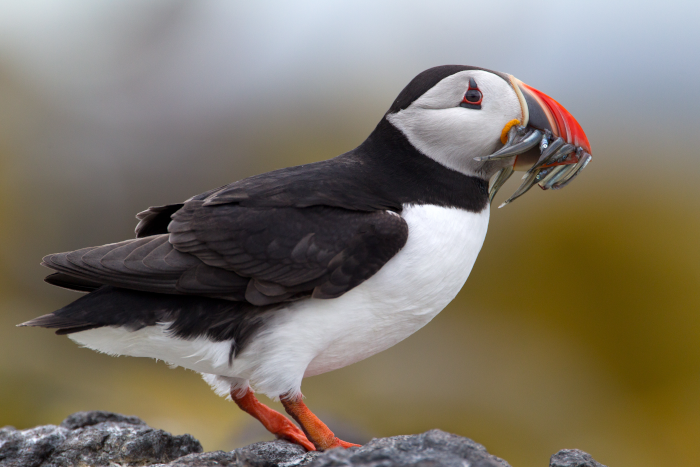
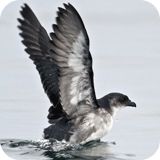
Puffins are one of ten seabird species predicted to suffer long-term effects on their populations from climate change, as warming air and sea temperatures reduce food availability and drive extreme weather events. Other marine specialist seabirds are at significant risk too, with Arctic Terns and Fulmars facing startling declines.
One of the greatest concerns for BTO scientists is the decline in sandeels, which are a major food source for many adult, and especially young, seabirds. The lack of these fish in nearby waters during the breeding season has resulted in poor productivity, as the adults fail to find enough food for their growing chicks. Over-fishing and changes in climate are significant drivers in the loss of the sandeels, particularly in the North Sea.
An increase in extreme winter storms, exacerbated by climate change, has also resulted in high mortality of Puffins and other seabirds, as widely reported in early 2026.
But all is not lost, and multiple organisations are working hard to better understand the many threats these amazing birds face and try to reverse the potentially catastrophic declines that are impacting these charismatic birds. Positive steps also include the banning of sandeels in Scottish and North Sea waters since 2024, which aims to help the recovery of this vital food-chain fish.
A new book published this week, The Puffin: A Biography, written by renowned naturalist and best-selling author Stephen Moss, takes a deep dive into the world of this ever-popular seabird.
The book follows the lifecycle of the Puffin throughout a calendar year: from egg and nestling to the adorably named juvenile puffling, to the adult bird’s courtship, breeding and feeding habits, and examines the bird’s place in popular and literary culture. Of course, it also deals with the many threats facing this most beloved of birds and considers the species uncertain future.
Erin Taylor, Seabird Monitoring Programme Organiser (SMP) at BTO, says, “The SMP's efforts to continue to monitor Puffin populations throughout Britain and Ireland will allow us to track, in real time, the impacts of the ever-changing conditions that these birds face.”
Nina O’Hanlon, Senior Research Ecologist at BTO, says, “There are several fantastic projects working to change the fortunes of Puffins across the UK, from habitat management to removing non-native invasive predators. Monitoring Puffin numbers and breeding success is key to see how effective these actions are in increasing the resilience of this iconic seabird in the face of climate change.”
Stephen Moss, author of The Puffin: A Biography, says, “The Puffin is a real paradox: it rivals the Robin as Britain’s best-loved bird, yet most people have never seen one in the flesh. In spring and summer they gather in large, noisy colonies to breed, but spend the autumn and winter far out to sea in the North Atlantic. And despite their small size, and gentle, clown-like appearance, puffins will fight to save their precious catch of sandeels from being seized by an opportunistic – and much larger – skua or gull.”
16 Oct 2026
Get Breaking Birdnews First
Get all the latest breaking bird news as it happens, download BirdAlertPRO for a 30-day free trial. No payment details required and get exclusive first-time subscriber offers.