First British-bred Griffon Vulture released into the wild
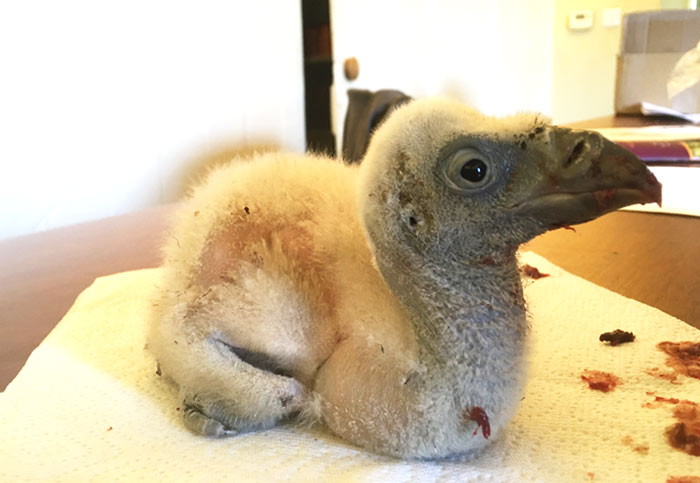
The team at the National Centre for Birds of Prey (NCBP) in Helmsley has successfully bred its two Griffon Vultures for the first time – leading to what is believed to be the UK’s first ever captive-bred vulture being released into the wild.
The Duncombe Park-based centre has been home to a disabled pair of Griffon Vultures rescued from the wild since 2012. After five years of trying to breed them, Charlie Heap, who runs the NCBP, built an artificial incubation room in 2018. The egg was artificially incubated and hatched on 1st April 2019. The baby Griffon Vulture was then hand reared for the first few days of life and went back in with the parents where visitors have watched her grow over the summer. This vulture weighed just 190g when she hatched but now has an 8ft wingspan and weighs around 7kg!
Vultures are among the most threatened animals on the planet at the present time. They have largely disappeared from much of their natural habitat in southern Europe and the only place in Europe where Griffon Vultures are thriving is Spain. The are many reasons for their disappearance, including poisoning, electrocutions, direct persecution and collisions with wind turbines and power lines.
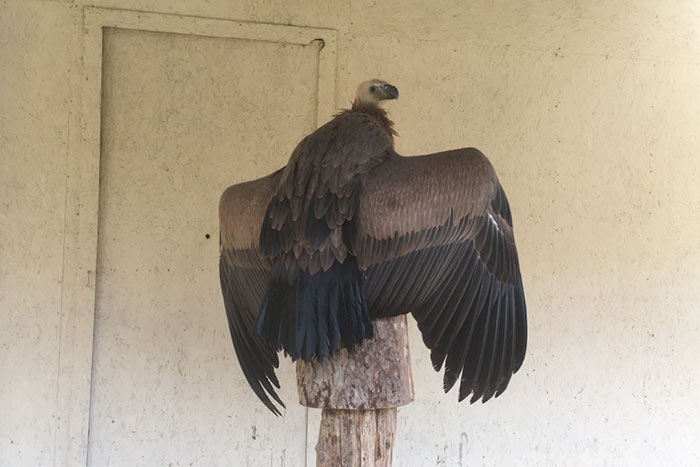
A misunderstood animal, vultures play a vital role in an ecosystem by eating carrion - dead animals that they didn’t kill themselves - therefore disposing of what would otherwise be a breeding ground for disease.
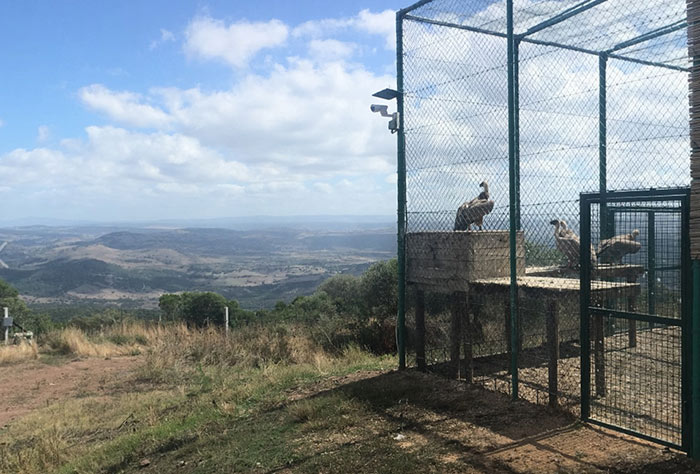
The young Helmsley-born Griffon Vulture, christened “Vicki”, is now fully grown and has been accepted into the Vulture Conservation Foundation’s (VCF) release programme in Sardinia, where the plan is to release 60 birds to establish a genetically self-sustaining population. Unwilling to risk such precious cargo with a courier, Charlie Heap and fellow NCBP director Dr Vicki Lamb drove non-stop in their car (nicknamed the “Vulture Express”) for 1760km with the bird earlier this month to take her to her new home. She is going to be temporarily housed with other young vultures before heading to the release aviary later this year.
“Griffons are beautiful creatures, they have wonderfully long eyelashes, and they’re extremely intelligent. They make the most devoted and caring parents who pair for life. But they’re very misunderstood – they do a great job as nature’s dustmen cleaning up stuff no one else wants to, for free! For many people, the fact they eat carrion is unpleasant – but the meat they eat is often fresher than what most humans consume. They help prevent the spreading of diseases such as anthrax and rabies, as the bacteria in the carrion is killed by their stomach acid.”
“Vicki’s parents came from a Spanish rehabilitation centre 20 years ago and are both disabled - the female is only partially flighted and the male has only one wing. Injuries like these are common in big vultures in the wild, where they have collided with power lines or have been stuck by wind turbines. Their aviary was specially designed and constructed to meet their needs. Breeding from a one-winged male is very unusual due to balance issues, so we weren’t sure it was ever going to be possible. This is proper, front-line conservation - and I couldn’t be more excited.”
The NCBP hopes to breed its Griffon Vultures again in 2020. For more information about the work they do go to www.ncbp.co.uk or follow them on Facebook.
23 September 2019
Share this story