Dozens of Critically Endangered Hooded Vultures poisoned in Guinea-Bissau
Around 50 Critically Endangered Hooded Vultures have been found dead and beheaded near Mansoa, in what conservationists believe was a deliberate poisoning incident.
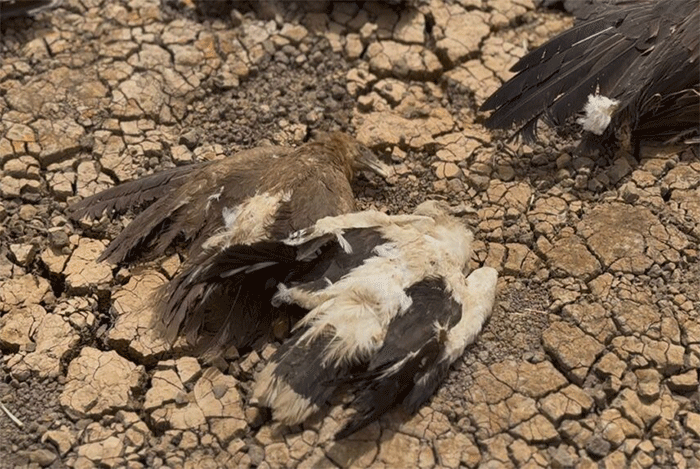
Around 50 Critically Endangered Hooded Vultures have been killed in a mass poisoning incident in Guinea-Bissau, adding to growing concern over the persecution of Africa’s scavenging birds.
The dead birds were found near Mansoa at the end of May after local people alerted the authorities. The Organization for the Defense and Development of Wetlands, known as ODZH, investigated the scene and found around 50 Hooded Vultures Necrosyrtes monachus and one Palm-nut Vulture Gypohierax angolensis had been poisoned.
The case is especially disturbing because the Hooded Vultures had also been beheaded, with their heads removed from the site. According to the Vulture Conservation Foundation, ODZH believes the poisoning may have been deliberate and linked to poaching and traditional rituals. The incident remains under investigation.
The Mansoa area had already seen several smaller poisoning incidents earlier in 2025, when 16 Hooded Vultures were killed between February and March. The latest deaths suggest an ongoing threat to vultures in the region.
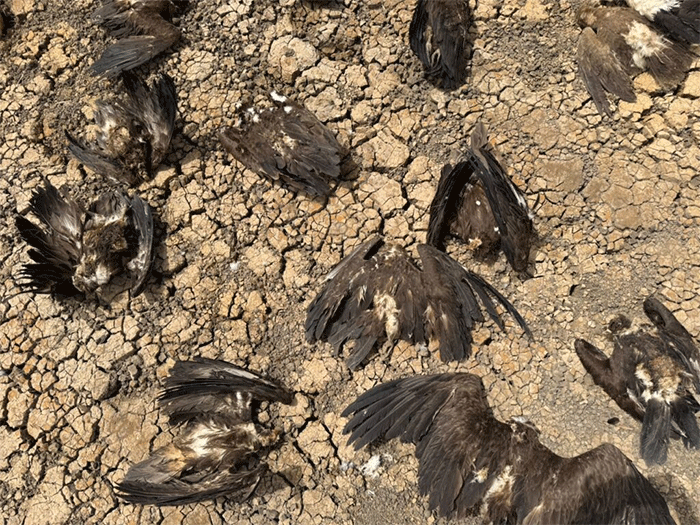
Hooded Vultures are listed as Critically Endangered after suffering severe declines across much of their African range. Poisoning is one of the major threats facing the species, and mass incidents can be particularly damaging because vultures often gather in numbers to feed.
Beyond the loss of the birds themselves, the poisoning also removes an important natural cleaning service. Hooded Vultures help dispose of carcasses and organic waste around towns, villages and markets, reducing the risk of disease and limiting food sources for other scavengers such as feral dogs and rats.
The Vulture Conservation Foundation says the incident highlights the need for stronger awareness, rapid reporting and cooperation between communities, conservation groups and authorities. In this case, the alarm was raised by local people, allowing the incident to be investigated.
For Guinea-Bissau’s Hooded Vultures, however, the discovery near Mansoa is a serious setback. Around 50 birds have been lost in a single incident, in an area already affected by previous poisonings, underlining how fragile the future remains for one of Africa’s most threatened scavengers.
June 2026
Get Breaking Birdnews First
Get all the latest breaking bird news as it happens, download BirdAlertPRO for a 30-day free trial. No payment details required and get exclusive first-time subscriber offers.
Share this story