Diving into Danger: How Small-Scale Fisheries Threaten Mediterranean Seabirds
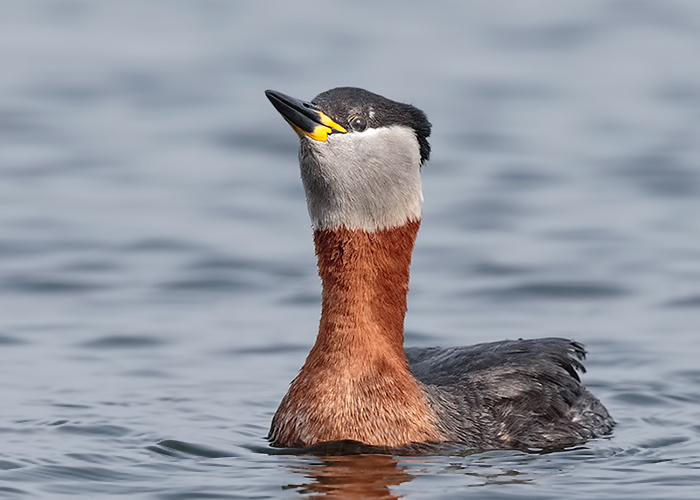
In the quiet waters of the northern Adriatic Sea, an unseen struggle is taking place beneath the surface. A recent study has revealed that wintering seabirds, including divers, grebes, and shags, are falling victim to fishing nets in the region, raising concerns about the long-term impact of bycatch on these vulnerable species.
Bycatch - the accidental entanglement of non-target species in fishing gear - is widely recognised as one of the most significant global threats to seabirds. While much research has focused on northern Europe, little has been done to assess the risks in the Mediterranean. This gap has now been partially filled by a study conducted between 2021 and 2023, which examined how small-scale fisheries interact with wintering seabirds in a coastal area of the northern Adriatic.
Shallow Waters, High Risk
The study found that seabird bycatch was concentrated in waters shallower than five metres, particularly at depths of less than 2.5 metres, where fishing efforts were relatively low but bycatch rates were at their highest. Over two years, an estimated 46 to 108 birds were entangled in gillnets and longlines. Five species were identified among the casualties: the Black-necked Grebe, Red-throated diver, Black-throated diver, Mediterranean Shag, and Great Crested Grebe.
Despite these findings, bycatch reports from fishermen were almost nonexistent. This suggests that without direct observation, the scale of the problem is likely to be underreported. Researchers argue that small-scale fisheries, often perceived as more sustainable than industrial operations, can still pose significant conservation challenges when operating in critical seabird habitats.
Mapping the Danger
Using a combination of seabird surveys and fishing activity data, the researchers developed vulnerability and risk maps to highlight the most dangerous areas for seabirds. These maps pinpointed several hotspots where conservation efforts should be focused. One of the most concerning areas was within the newly designated Special Protection Area (SPA) "Banco del Becco," where 67% of recorded bycatch incidents took place.
The study’s authors stress that conservation strategies should focus on this area, advocating for fisheries management measures that could help mitigate seabird entanglements. They propose restricting fishing activities to deeper waters, reducing the amount of time nets remain in the water, and increasing the visibility of fishing gear to reduce accidental captures.
Can Fishermen and Seabirds Coexist?
One of the key takeaways from the study is the importance of engaging local fishermen in conservation efforts. Many fishers do not intentionally harm seabirds but may be reluctant to report bycatch due to fears of regulation or economic loss. Encouraging open dialogue and collaboration could lead to the development of mitigation strategies that benefit both fishermen and wildlife.
Possible solutions include compensating fishermen for lost catch when bycatch mitigation measures are implemented, as well as introducing new technologies such as underwater visibility enhancements or deterrent devices to prevent seabirds from diving into fishing nets.
A Call for Action
The findings of this study provide an urgent call for action. If current trends continue unchecked, seabird populations that rely on Mediterranean coastal waters for wintering could face significant declines. By addressing the issue of bycatch with targeted conservation measures and proactive fisheries management, there is hope that these seabirds can continue to thrive alongside small-scale fisheries.
For now, the delicate balance between human livelihoods and seabird conservation remains in flux, but with increased awareness and cooperation, a future where both can coexist may yet be possible.
Read the full paper here.
4 Mar 2025
Share this story