Contractors destroy Swift nesting site during breeding season
Campaigners say the demolition of Regent House near Dorking station has destroyed one of Mole Valley’s best-known Swift nesting sites, raising fresh questions about how nesting birds are protected during development.
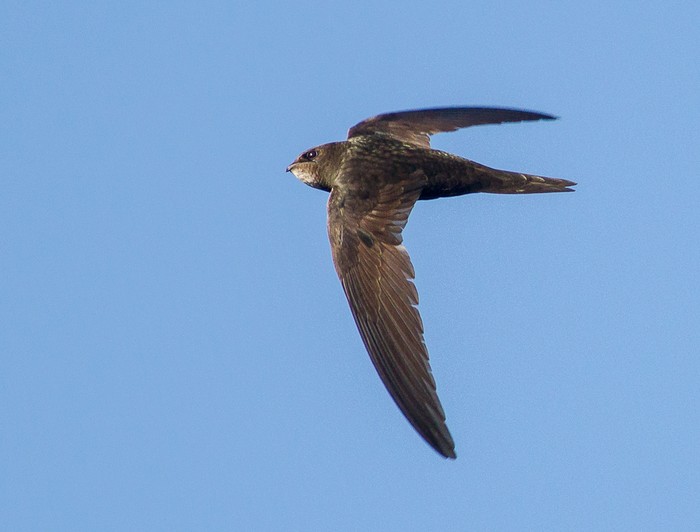
A noted Swift colony in Surrey has been lost after the demolition of Regent House near Dorking station during the nesting season.
According to reports by the BBC and The Guardian, the building had long been used by Swifts returning each spring to nest in gaps around its eaves. Local volunteers had recorded intense low-level flying by as many as 40 birds, with around 20 nest sites believed to have been used in the building over recent years.
The demolition was carried out as part of a redevelopment project for 126 flats. The Guardian reported that contractors for Hill Group demolished the building over recent weeks, during the nesting season, while campaigners said footage showed Swifts returning to the site and repeatedly turning away after finding their nest places gone.
Local Swift groups said concerns were raised with Surrey Police wildlife officers and Mole Valley District Council in early May, shortly after the birds returned from migration and were seen around the building. Conservationists have described the incident as deeply troubling, particularly because Swifts are faithful to traditional nest sites and often return to the same holes year after year.
Swifts are on the UK Red List of birds of conservation concern and have suffered severe declines in recent decades. Loss of nesting places is one of the main pressures on the species, as older buildings are demolished or renovated and new buildings often lack the gaps and cavities they need.
The Wildlife and Countryside Act makes it an offence to intentionally or recklessly damage or destroy the nest of any wild bird while it is in use or being built. Planning documents for the Regent House redevelopment reportedly stated that demolition and construction should take place outside the nesting season where possible, or that an ecological inspection should be carried out before work began if that was not possible.
Hill Group and Clarion said they had been working with independent ecologists and the local planning authority to ensure works were carried out in accordance with approved planning requirements. Mole Valley District Council said it was making enquiries and had served a temporary stop notice requiring works to cease while the situation was reviewed.
For local campaigners, however, the damage has already been done. The loss of a known nesting site during the breeding season has highlighted the weakness of current protections for birds that depend on buildings, and has renewed calls for stronger safeguards, including the wider use of Swift bricks in new developments.
June 2026
Get Breaking Birdnews First
Get all the latest breaking bird news as it happens, download BirdAlertPRO for a 30-day free trial. No payment details required and get exclusive first-time subscriber offers.
Share this story