British Trust for Ornithology’s Andy Clements awarded an OBE
by The BTO
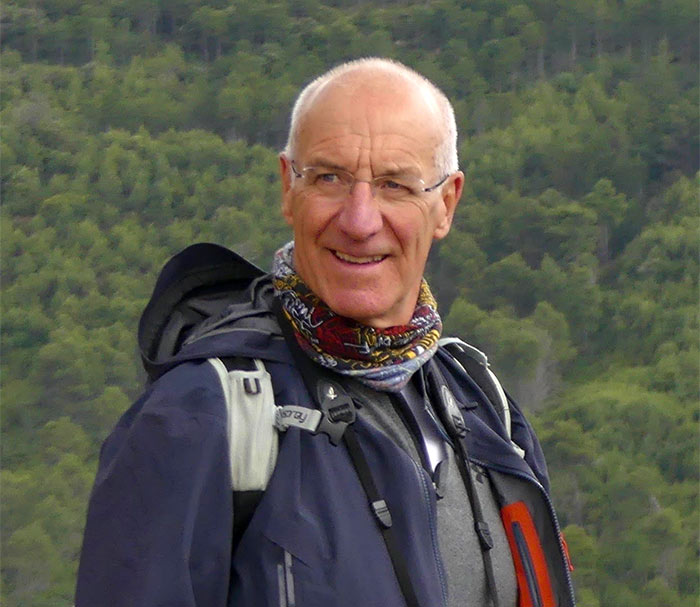
Dr Andy Clements, former Chief Executive of the British Trust for Ornithology (BTO), and a career conservationist, has been awarded an Order of the British Empire medal in the Queen’s Birthday Honours for his services to conservation and policy.
Until his recent retirement Andy had been leading the BTO for 13 years, steering the organisation through a global recession, and more recently a pandemic, and ensuring resilience for the Trust into the future. The BTO has been analysing data collected by volunteers since 1933 and produces annual trends that give an insight into the health of the UK’s birds and provide the evidence that underpins conservation effort.
Andy has also served the Statutory Nature Conservation Bodies from 1982, the Nature Conservancy Council and subsequently English Nature and has been a non-Executive Board Member of Natural England since 2014. He is passionate about the use of evidence in helping to solve the twin crises of biodiversity loss and climate change, leading Natural England’s Science Advisory Council.
Andy is a lifelong birder and has accrued a deep understanding and knowledge of birds both at home and abroad. He is a strong advocate for how data collected by volunteers can improve the knowledge-base for conservation and continues to submit his own observations into BTO’s databases.
Dr Andy Clements, said, “ I am delighted to receive this honour because it acknowledges the importance of working for the benefit of nature in our society, and on behalf of the thousands of people I have worked with who are themselves committed, hard-working professionals and volunteers seeking to make the world a better place.”
14 Jun 2021
Share this story