Britain's best Nightingale site a step closer to being saved from development
This is a major shift in position from that only two years ago, when there were still plans for 5,000 houses to be built on the site. The reason that Homes England gave for the change of heart was 'environmental sensitivities'; the destruction of Lodge Hill, a Site of Special Scientific Interest (SSSI), would have set an appalling precedent for all nationally protected wildlife sites.
The announcement comes on the back of three rounds of public campaigning in 2014, 2017 and 2018, in each of which over 10,000 people called for the government and local authority to #SaveLodgeHill. The effort was led by the RSPB and Kent Wildlife Trust in partnership with several other organisations
It remains possible that Homes England will propose housing so close to the SSSI that the associated ‘indirect’ damage will still have a serious effect on the nightingale population. It is not yet known when the planning application will be submitted, but the RSPB is seeking assurances that this issue is understood and will be fully addressed.
The RSPB's England Director, Chris Corrigan, said, "Lodge Hill is not yet saved, but the progress is heartening, and we will continue to urge Homes England to do whatever is necessary to ensure the site and its Nightingale are secure for the nation. Our thanks to all those supporters who have kept up the pressure over many years to clearly demonstrate that places like this are too precious to lose."
In a related matter, in summer 2019 the latest iteration of the Local Plan is expected from the local authority, Medway Council, who are long-time advocates of mass housing at Lodge Hill. With up to 12,000 more houses being touted for the Hoo Peninsula where Lodge Hill is situated, this issue of damaging ‘indirect’ impacts remains a major concern should other development be proposed too close to the SSSI.
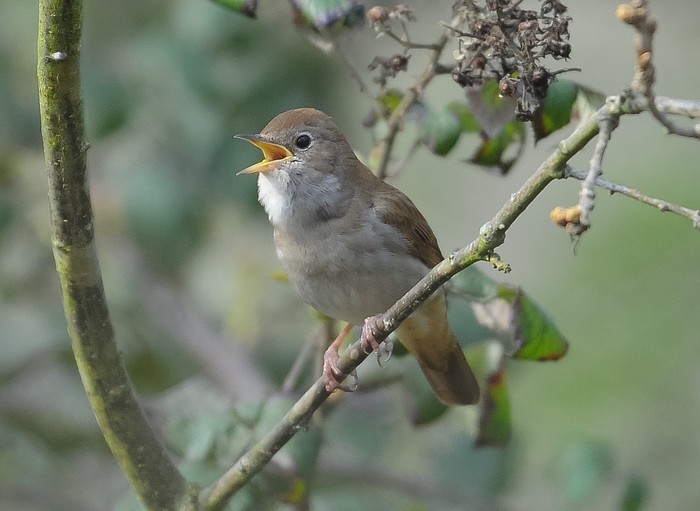
Lodge Hill holds up to 85 singing Nightingale, out of a national population of only 5,500 in the 2012 BTO survey. The UK total has declined by around 90% in the last 50 years, and Lodge Hill is thought to be one of the few sites where numbers are holding up. Its suitability for Nightingale is thought to come from its large area of undisturbed habitat, containing plenty of dense scrub along a warm, damp valley offering shelter, nest sites and abundant food.
18 Dec 2018
Share this story