How to Be an Urban Birder
Author: David Lindo
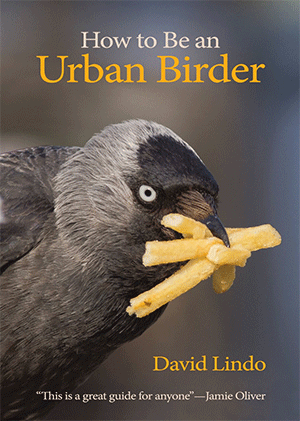
The author is well known for his promotion of birding in urban areas and for his personal branding as ‘The Urban Birder’. This new book explores in some detail the opportunities for birding in our towns and cities and offers extensive advice to the newcomer to birdwatching.
The book begins with an introduction to urban birding and a ‘how to use this book’ chapter. Then come the main sections - The urban landscape, Other urban habitats, What is an urban bird?, What is that bird?, The birds in your neighbourhood, Urban garden birding, Tools of the trade and Being an urban birder.
Each of these sections is thorough, comprehensive and well written - an enjoyable and engaging introduction to the birding opportunities of even the most unlikely looking urban venue. Though firmly aimed at beginners, the advice is sound and clearly based on a great depth of personal experince. Nor is it stuffy, aiming to project a certain ‘urban cool’ (for example, the Foreword is written by Jamie Oliver). The content is refreshingly up to date too, with lots of handy hints about internet resources, smartphone apps, sound recording, phone-scoping etc.
The book is well served with colour photographs of both birds and habitats and with some great artwork (both line drawings and colour paintings) by Steph Thorpe.
Although rooted throughout in an urban context, this book is inevitably sufficiently generic to appeal to any early stage birdwatcher, whether they live in a town or city or not. Apart from a few specific bits of advice (such as not waving expensive optics around in ‘rough areas’), much of the book’s content is applicable anywhere and there is really useful content on, for example, attracting birds to your garden, finding birds, note-taking and engaging with a local patch. This is therefore not a purely niche title but one which could also serve a wider audience.
Nevertheless, the urban focus is the book’s USP, aiming to widen the birdwatching demographic beyond its traditional white, male, middle class, suburban and rural constituencies. If we are to retrieve any sort of connection with the natural world then the engagement of the city-dwelling majority will be vital. This book might be just the necessary catalyst.
Published: WILDGuides
Flexibound
ISBN: 9780691179629
RRP: £14.99
SPECIAL OFFER:
£9.99 Quote discount code RBABOTW
Offer ends: 31 Dec 2019

Andy Stoddart
November 2018
Share this review

Commission for Conservation
Rare Bird Alert does not profit from the sale of books through Wildsounds. Instead we are part of their Commission for Conservation programme where a percentage of every sale made through RBA helps supports BirdLife's Spoon-billed Sandpiper Fund.