Sea Change: significant extension of Natura 2000 network in Greek waters
A major victory for Greek seabirds and marine biodiversity came in December with a significant extension of Greece’s Natura 2000 Network announced by a Greek Joint Ministerial Decision. This decision, issued by the state’s Ministries of the Environment and Rural Development, has been warmly welcomed by BirdLife’s Greek partner, the Hellenic Ornithological Society (HOS) – a decades-long champion of efforts to monitor and conserve seabirds in the Aegean and Ionian Seas.
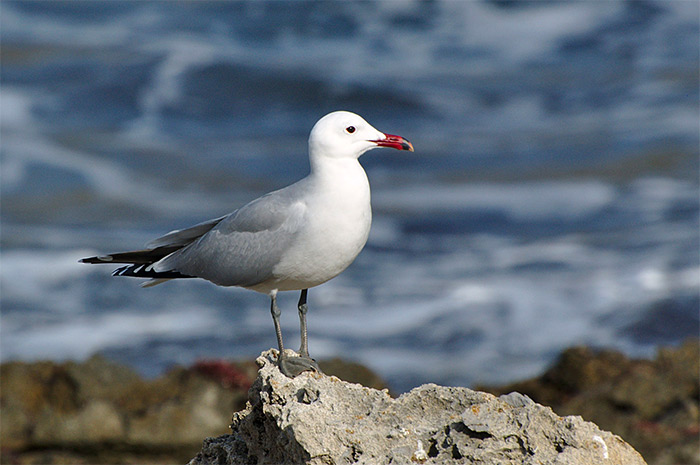
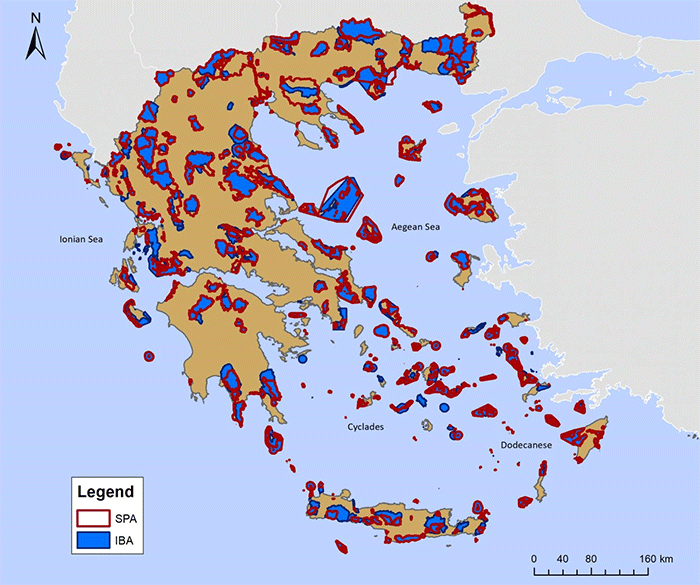
Following a lengthy public consultation process, 95 sites (32 new and 63 extensions of existing sites) were added to the Greek network. These areas are almost exclusively marine, designated mainly for the protection of seabirds, Mediterranean Monk Seals, marine turtles and cetaceans. This takes coverage of the marine Natura 2000 network from a mere 6% of Greek national waters to 22% - just over 1 million hectares. Overlap between the marine network and marine IBAs (Important Bird and Biodiversity Areas identified by BirdLife) has now jumped to 85% - thereby laying the foundation for the protection of over 60-70% of the national seabird population, notably including the Audouin’s Gull, the Mediterranean Shag, Scopoli’s Shearwater, Yelkouan Shearwater and the European Storm Petrel.
Though the Greek government’s strong show of commitment to increase marine protected areas is highly encouraging, it must still be noted that Greece continues to face the possibility of being referred to the European Court of Justice due to its failure to establish the required priorities and conservation measures for its Natura 2000 sites.
Danae Portolou, coordinator of the IBA Programme in Greece: "It is greatly gratifying for us to see data we painstakingly collected being used and the IBA inventory we proposed being recognized by the Ministry of the Environment as a base list of areas for inclusion within the marine SPA network.”
Marguerite Tarzia, European Marine Conservation Officer, BirdLife Europe: "Seabirds are very important indicators of the state of the marine and coastal environment, but their populations are declining more rapidly than most other bird groups, facing a wide range of threats, both in their terrestrial breeding grounds and out at sea. Ensuring that the most important at sea areas for seabirds are protected is a major step forward for Greece.”
George Sgouros, Director of HOS: "The publication of the Joint Ministerial Decision for the extension of the Natura 2000 network is undoubtedly a very positive development. However, the establishment of these new protected areas requires that Management Authorities and other stakeholders receive appropriate tools and means to effectively protect and manage them. It is necessary now to keep pushing for positive steps towards an effective and functional management system for our protected areas".
Bruna Campos, Marine Policy Officer, BirdLife Europe: "This is positive news from Greece. Now the Greek government needs to keep up the momentum and ensure these protected areas don’t just exist on paper and are fully managed.”
16 January 2018
Share this story