Weekly birding round-up: 28 Mar - 3 Apr 2023
It’s early days yet, but common migrants are definitely on the radar now, and this past week continued to serve up some hints of the scarcer potential that lies ahead, particularly at the weekend with the arrival of Bluethroats and a Woodchat Shrike. No substantial new rarities, but there’s plenty of time for them yet.
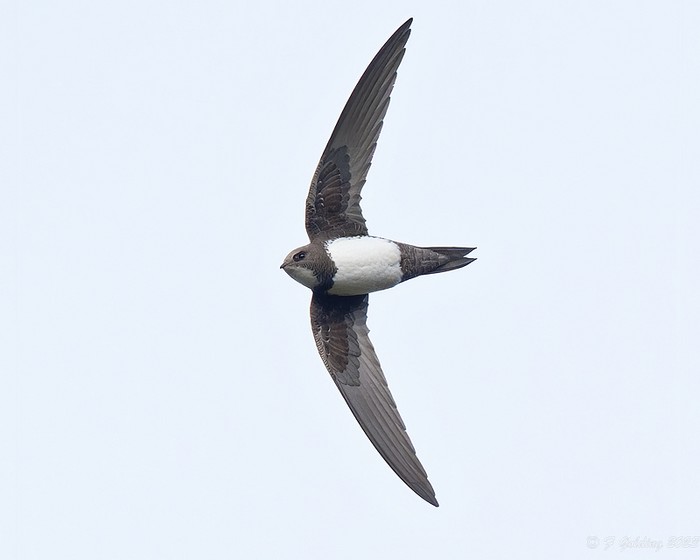
And still they came. In the absence this week of any big-ticket headlining rarities, it’s impossible to ignore the ongoing potential, happily realised by some fortunate birders in Britain and Ireland again, to find themselves their very own Alpine Swift.
Or indeed, swifts plural. Amongst the cumulative total of some 75 Alpine Swifts recorded in Britain and Ireland as a whole, there were many duos and a fair few trios seen too. Best of all, at Ballycastle (Co.Antrim), numbers present rose to five birds on 30th-1st.
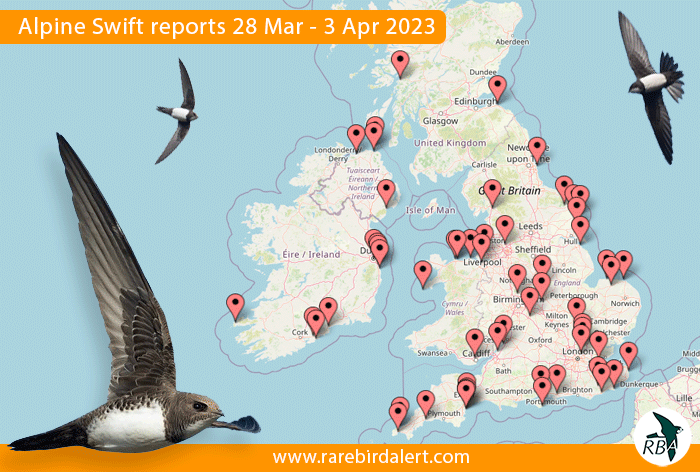
With birds as dynamic and mobile as these, there will undoubtedly be some duplications amongst the numbers each week. What remains a given is that they remain a daily staple in the news reports, and the potential for bumping into one unexpectedly isn’t going anywhere just yet.
A little more White-billed Diver action was to be had this week, with Moray delivering two birds on 30th from Burghead and Cullen – Burghead continuing to hold a duo until 1st, with one bird still off there on 2nd-3rd. Meanwhile, off Gloup Head on Yell (Shetland) on 1st three birds were noted.
Variety in the seabird stakes came this week in the form of two Great Shearwaters seen from The Lizard (Cornwall) on 31st.
Still showing no signs whatsoever of moving on any time soon, the adult Double-crested Cormorant remained at Doon Lough (Co.Leitrim) on 31st.
As spring begins to unfold, more scarce heron sightings are a given. This week, Night Herons were seen at Kilkee (Co.Clare) on 28th, at Cors Crycheed (Glamorgan) on 30th-31st, Brent reservoir (London) on 1st-2nd, and St Mary’s (Scilly) on 2nd-3rd.

A Purple Heron, meanwhile, was found at Stover CP (Devon) on 2nd-3rd, and another on 3rd at Llanengan (Gwynedd); a final bird was reported on 3rd also over Leigh Park (Hampshire).
Glossy Ibises remained ever-present in Britain and Ireland alike. The best count was seven birds still present at Lough Aderra (Co.Cork) on 2nd-3rd, with the quartet still present at Titchfield Haven NNR (Hampshire) on 28th-3rd, closely followed by three birds again at Tacumshin (Co.Wexford) on 1st. Duos remained at Fremington Pill (Devon) on 29th, with one still there on 2nd; at Ham Wall RSPB (Somerset) on 29th-2nd and Sharpham Park on 2nd, with one at the former site still on 3rd; and at Dungeness (Kent) on 30th-3rd. A further probable was seen in flight on 2nd over Banks Marsh NNR (Lancashire & North Merseyside).
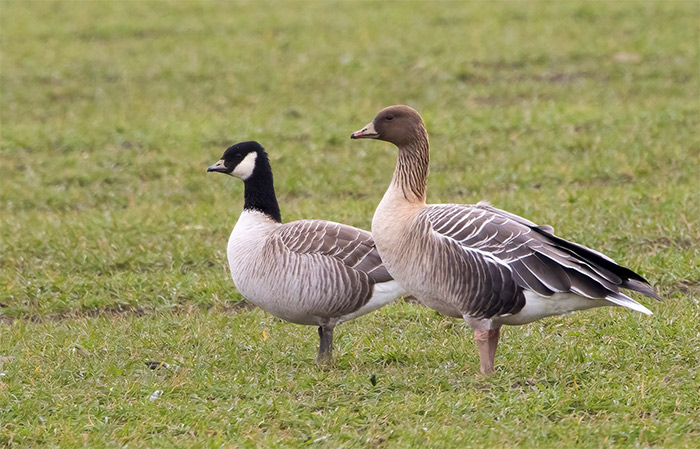
Starting with the honkers and quackers once again with The Goose Formerly Known As Canada, in Northumberland the recent hutchinsii Richardson’s Cackling Goose remained in the Earsdon area on 29th-2nd. The interior Todd’s Canada Goose was once more seen in Lancashire & North Merseyside at Marshside RSPB on 31st and Banks Marsh NNR on 1st-2nd.
The Islay (Argyll & Bute) Red-breasted Goose remained present on the island on 1st.
In East Yorkshire the Black Brant was still to be seen at Kilnsea Wetlands NR on 1st-2nd.
Just one drake American Wigeon was logged lately, this being the bird still present at Otmoor RSPB (Oxfordshire) on 29th.
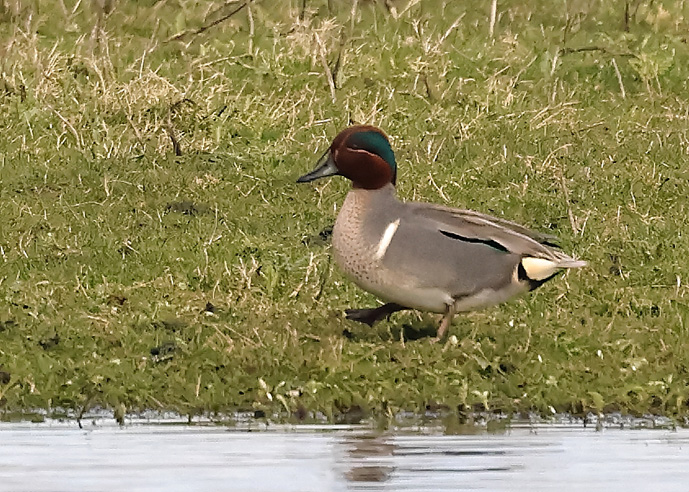
Numbers of Green-winged Teals reported this week took a bit of a tumble, with just five birds noted – the Isle of Man individual remained at Poyllvaaish on 28th-1st; one was still at Slimbridge WWT (Gloucestershire) on 28th-3rd; the East Tilbury (Essex) bird was seem again there on 3rd; one was found on Yell (Shetland) on 3rd; and a bird was again seen on Larne Lough (Co.Antrim) on 30th.
A single Ferruginous Duck was seen on Filby Broad (Norfolk) on 29th and again on 1st-2nd, the female again at Aqualate Mere (Staffordshire) on 29th also; and on 3rd Warwickshire scored a single on Draycote Water and two birds at Brandon Marsh NR.
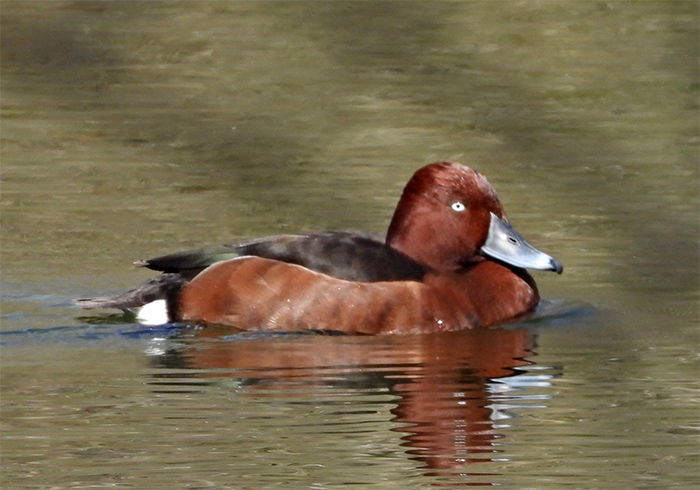
Some 25 Ring-necked Ducks were logged again in Britain and Ireland, with the five birds still present on Kilkee reservoir (Co.Clare) on 29th the highest single site tally. Duos remained in Glamorgan on Lisvane reservoir on 28th-3rd, and at Standlake (Oxfordshire) on 30th-2nd again.
Four Lesser Scaups were seen this week – the female still at Ham Wall RSPB (Somerset) on 29th-2nd; a drake in Oxfordshire on Dix Pit on 1st-3rd; the female still on South Uist on 31st-3rd; and the female still on Balgray reservoir (Clyde) on 28th-3rd.
Surf Scoters continued to be reported off Llanddulas (Conwy) this week, with a count of two birds there on 30th rising to three there by 1st, at least two of which remained until 3rd. Singletons were present in Cork harbour (Co.Cork) on 2nd, and Aberlady Bay (Lothian) on 2nd also.
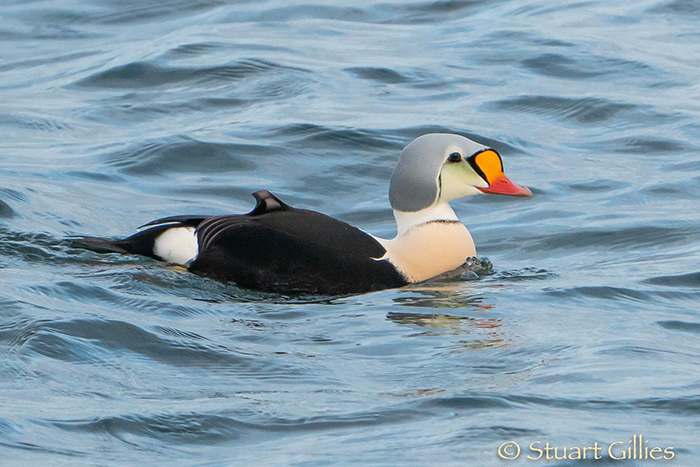
Finally, the second-winter drake King Eiders were still present off Redcar (Cleveland) on 28th-2nd, and around Cockenzie and Port Seton (Lothian) on 28th-3rd.
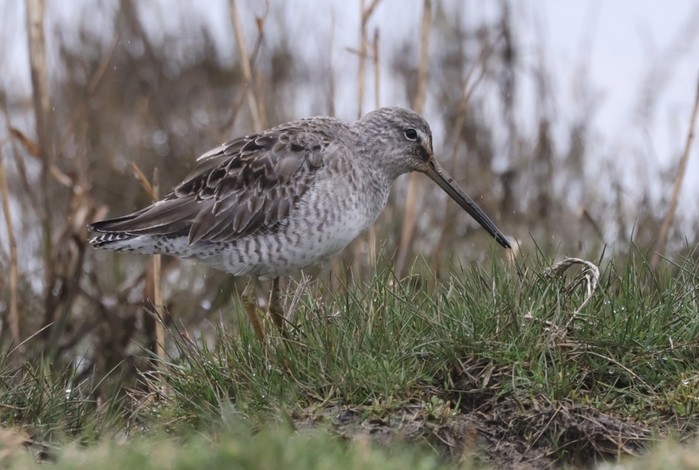
Where waders were concerned, we remained thankful for Long-billed Dowitchers - the recent, scattered British trio still present for another week. The Cley (Norfolk) bird was seen on 28th-3rd; the Burton Mere Wetlands RSPB (Cheshire & Wirral) bird remained present on 29th-2nd; and the Sanday (Orkney) bird was still to be found there on 28th-30th.
The best of the gulls this week was once more the adult Ross’s Gull in Aberdeenshire, still hanging around off Kinnaird Head on 28th-31st.
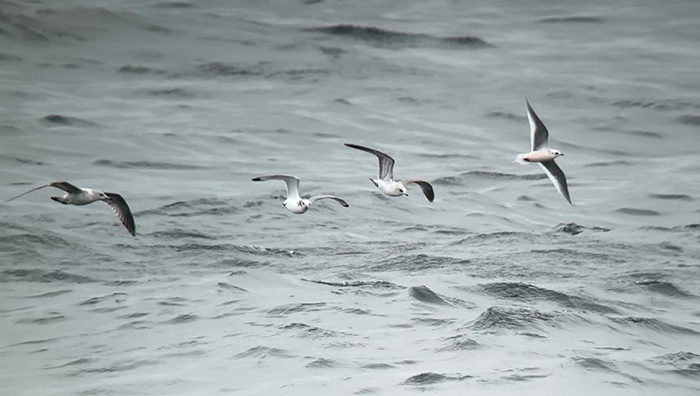
Injecting a little variety into proceedings, a first-winter Bonaparte’s Gull was found at Brockhall GPs (Herefordshire) in the morning of 30th.
Cornwall’s Hayle estuary had the best of the week’s Ring-billed Gulls, with two birds – an adult and a second-winter – once more noted there on 31st; the adult remained present on 1st. In Ireland, adults remained at Carrickfergus Harbour (Co.Antrim) on 30th, and at Enniskillen (Co.Fermanagh) on 31st.
Numbers of Glaucous Gulls dropped a little, to some 20 birds noted lately; while Iceland Gulls remained fairly static with around 45 birds in all lately. Shetland had the best of the latter, with four birds seen on Yell on 1st.
Staying on Shetland, on Unst (Shetland) the juvenile Kumlien’s Gull remained at Uyeasound on 28th-1st. Another report came from Yell on 29th.
After the prior week’s heady heights, this week’s raptors were always likely to represent something of a comedown, and so it proved. Thankfully we could rely upon a Rough-legged Buzzard or two – one was again seen in Shetland at Black Gaet on 28th-3rd, and another in Norfolk at Wells on 1st.
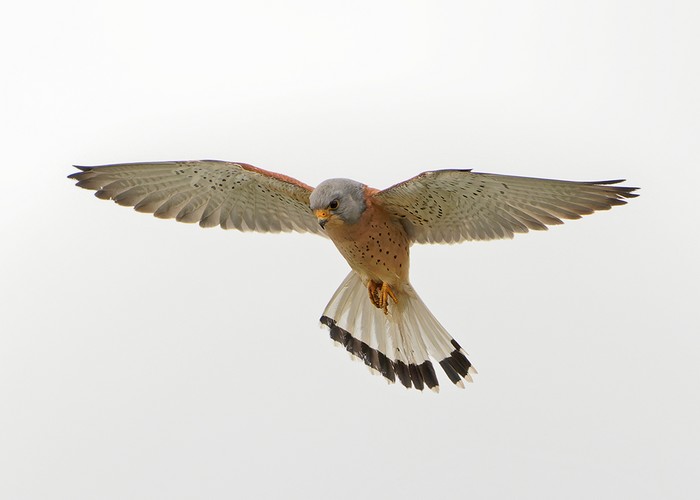
A probable ringtail Montagu’s Harrier was seen on 2nd on Bryher (Scilly), with a confirmed bird over St Mary’s on 3rd.
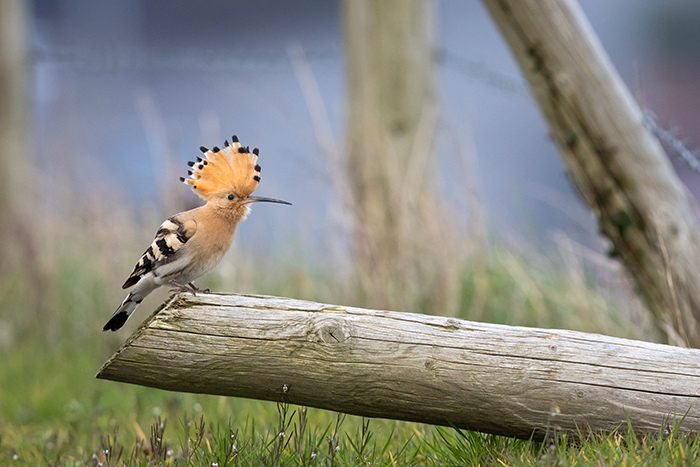
No surer sign of spring could be had than multiple Hoopoes - this week served us half a dozen of these perennially popular birds. Starting in Hampshire, one was seen in a Lower Bullington garden on 30th; another was in Poole (Dorset) on 28th, with a bird at Harman’s Cross (Dorset) on 1st-3rd. The recent Devon bird remained at Croyde on 28th-30th; and one was still to be seen at Godolphin Cross (Cornwall) on 31st. Away from the English southwest, a bird was found on 29th and seen again on 2nd-3rd at Ferryside (Carmarthenshire). On 3rd additional birds were found at Kuggar (Cornwall), South Huish Marsh (Devon), Aveton Gifford (Devon), and Wonston (Hampshire). In Ireland, the Comber (Co.Down) bird was still to be seen there on 28th-2nd, and another was seen again on Old Head of Kinsale (Co.Cork) on 2nd-3rd.
In Kent, Hume’s Warblers remained in Dover on 29th and Folkestone on 31st; while another was seen in Norfolk at Overstrand on 31st.
A Yellow-browed Warbler was reported, heard only, from Marlow Bottom (Buckinghamshire) on 1st.
Back in Kent, the quartet of Penduline Tits were still present at Elmley NNR on 29th, with at least two of their number remaining there on 1st; a male bird was found in the south of the county at Dungeness RSPB on 2nd-3rd. In Co.Cork, the recent Irish trio were still at Lough Beg on 28th-31st.
Waxwing numbers fell again this past week, with 10 birds in Inverness (Highland & Caithness) on 31st rising to a dozen on 1st, and back to nine on 2nd; and a singleton at Boat of Garten (Highland & Caithness) on 29th-2nd still the only birds reported.
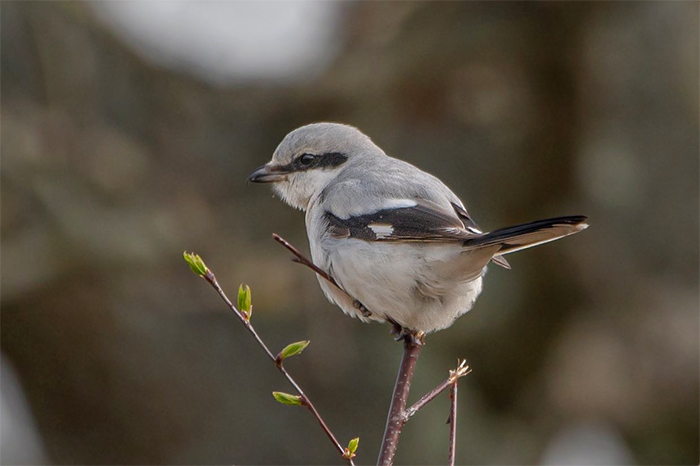
A handful of Great Grey Shrikes were seen, with the Hothfield (Kent) bird reported more or less daily on 28th-3rd; the Eyeworth (Bedfordshire) bird again on 29th; and the Shatterford (Hampshire) and Black Down NT (West Sussex) birds both seen again on 2nd-3rd. A possible was seen in Hampshire at Keyhaven on 30th.
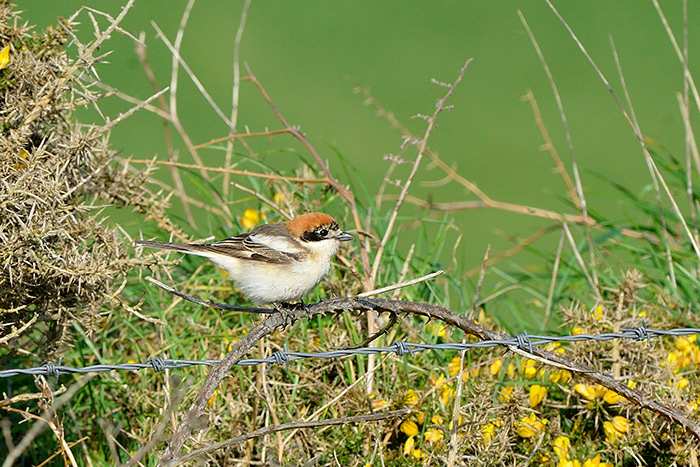
Sunnier fare came in the form of a Woodchat Shrike in Cornwall at Nanjizal Valley on 2nd-3rd.
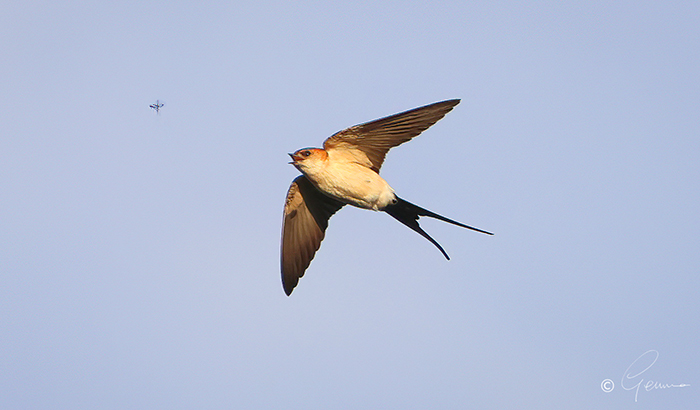
A Red-rumped Swallow was found at Lough Aderra (Co.Cork) on 1st.
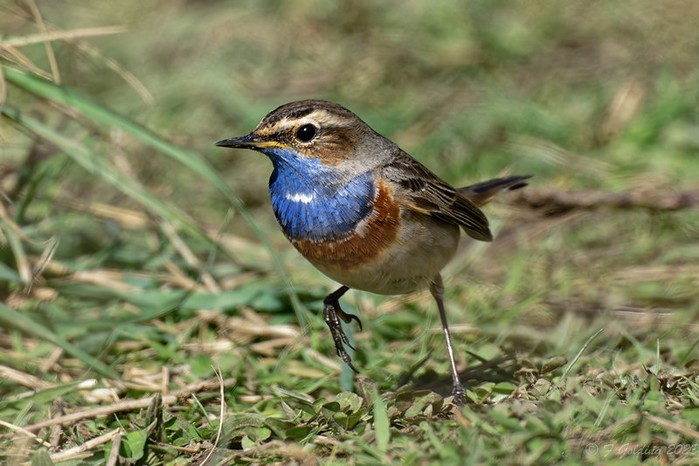
The first Bluethroats of the spring checked in on 2nd on the east coast – one at Sandy Bay (Northumberland), and the other in Norfolk on Blakeney Point – with another found that day in song at Fairburn Ings RSPB (West Yorkshire). On 3rd a female was found in Norfolk at Winterton South Dunes, and two were present on Blakeney Point.
The Richard’s Pipit was still present on St Mary’s (Scilly) on 28th-3rd; another was found at Sandwich Bay (Kent) on 3rd.
After dropping from the news for a while, the Eastern Yellow Wagtail was once more seen in Suffolk at Carlton Marshes SWT on 3rd.
Now for a third week running, Kent once more gave us a Serin, this time at North Foreland on 28th; another was logged on the Isle of Wight on 29th at St Catherine’s Point.
Finally, in Cornwall the wintering Little Bunting remained at Metherell on 31st-3rd.
Starting the overseas news where we left off the previous week, in Israel, the country was enjoying a purple patch in recent days. A sub-adult Yellow-billed Stork settled at Ma'ale Gilboa fishponds on 28th-1st, while on 27th a Yellow-billed Kite was found in Arava Valley. A Swinhoe’s Petrel was again seen off Eilat on 28th, and the Pied Bushchat remained at Ma’or on 2nd.
Yellow-billed Stork! Yesterday while filming w @TheBirdersShow in Kfar Ruppin we got alerted of this mega. A few minutes of rally-driving later we enjoyed fab scope views. @ChrisBellCOL is in the background...@_OSME pic.twitter.com/yPw5cEQFcw
— Yoav Perlman (@yoavperlman) March 30, 2023
In Cyprus the recent male Diederik Cuckoo at Famagusta continued to prove popular on 28th-2nd.
Spain scored a Sora at El Astillero on 30th-3rd.
In Germany, the Dusky Thrush remained in Berlin’s Landschaftspark Rudow-Altglienicke on 28th.
Outlasting even that long-staying bird were Sweden’s two overwintering superstars – the Baltimore Oriole still present this week in Förslöv on 29th-2nd, and the male Siberian Rubythroat still present at Trollhattan on 30th-2nd.
Here we go, rattling into April, and things ought to start hotting up any day now.
That is, in an ideal world. At the time of writing the charts seem to indicate a stubbornly unhelpful week of largely un-southerly weather ahead that may stymie any thoughts of errant Scops Owls.
It’s maybe prudent to return to more reliable quarters at this stage in the year. You can always rely on gulls, right?
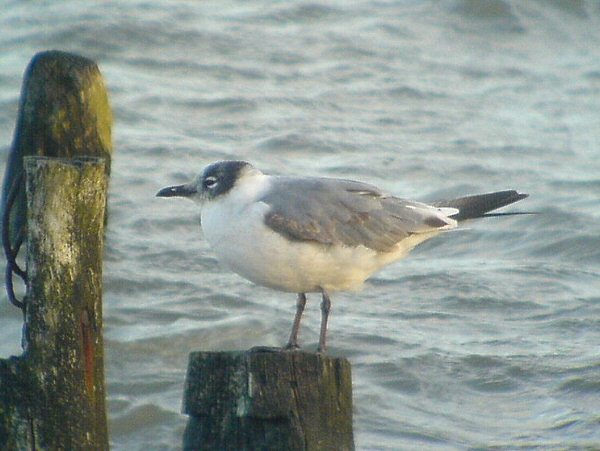
The coming week has fair form in that regard. In the past half century it boasts an impressive 15 accepted Bonaparte’s Gulls, seven Laughing Gulls, and three apiece for Franklin’s and Ross’s Gull. Any one of that quartet would be a quality find for someone in the days ahead.
Jon Dunn
4 Apr 2023
Many thanks to all this week's contributors for your photos and videos
Share