Urgent action needed to protect Scotland's Slavonian Grebes at Loch Ruthven
The Slavonian Grebe is vanishing fast, but a new public consultation offers ordinary people a chance to be part of the solution.
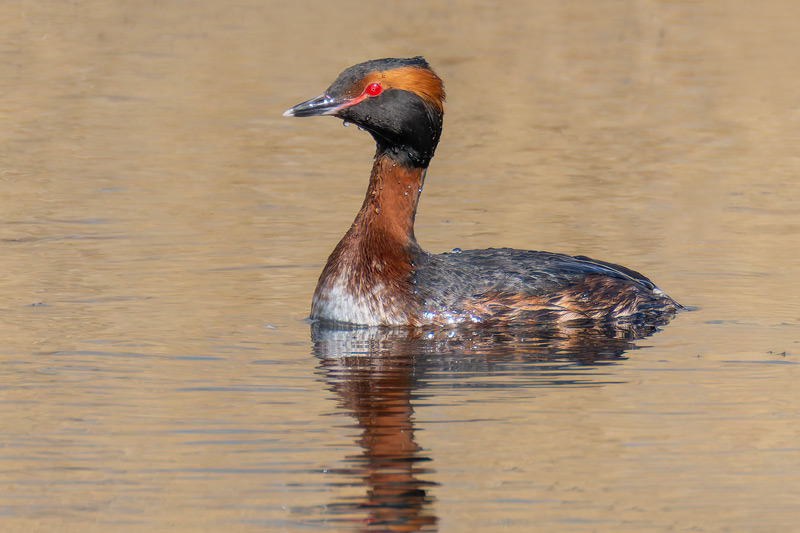
Loch Ruthven, nestled in the Scottish Highlands near Farr, is a vital breeding ground for the Slavonian Grebe, one of the UK's rarest waterbirds. However, recent years have seen a dramatic decline in their numbers, prompting conservationists to call for immediate protective measures.
A Steep Decline in Numbers
Once boasting around 80 breeding pairs in the early 1990s, the UK's Slavonian Grebe population has plummeted to just 15 pairs in 2023. Loch Ruthven, a designated Site of Special Scientific Interest (SSSI) and Special Protection Area (SPA), has witnessed a drop from an average of 13 breeding pairs to merely three in 2024.
Recreational Disturbances: A Growing Concern
The surge in water-based recreational activities like paddleboarding, canoeing, and swimming since 2020 has been linked to increased disturbances during the grebes' critical breeding season. These activities can disrupt nesting sites hidden among the loch's reed beds, leading to nest abandonment and reduced breeding success.
Proposed Protective Measures
In response, The Highland Council, in collaboration with RSPB Scotland, NatureScot, and the Local Access Forum, has launched a public consultation. The proposal recommends that visitors refrain from engaging in water activities at the east end of Loch Ruthven between March 1 and August 31 to minimize disturbances during the breeding season.
Legal Implications and Conservation Efforts
It's important to note that intentionally disturbing these birds during their breeding season is a criminal offense under the Wildlife and Countryside (Scotland) Act 1981. RSPB Scotland emphasizes the significance of maintaining a distance of at least 20 meters from sedge beds and refraining from waterborne activities near nesting sites to ensure the grebes' protection.
How You Can Help
Public participation is crucial. The consultation is open until May 16, 2025, and feedback will inform future access guidance. By adhering to the proposed measures and spreading awareness, visitors can play a pivotal role in safeguarding the future of the Slavonian Grebe at Loch Ruthven.
For more information and to participate in the consultation, please visit the Highland Council's website
26 April 2025
Share this story